L’acné de grossesse : quelle est la cause ?
Comme la majorité des maux de la grossesse, le bouleversement hormonal est à l’origine de l’acné de grossesse. La forte sécrétion de progestérone et d’œstrogène provoque une hyperactivité des glandes sébacées qui produisent en plus grande quantité du sébum. Cet excès de sébum a tendance à boucher les pores de la peau, favorisant l’apparition de boutons inflammatoires et/ou de points noirs sur le visage et le dos. L’acné de grossesse peut apparaître à tout moment, durer tout au long de la grossesse, ou n’être que transitoire. Il est important de noter que l'origine de l’acné durant la grossesse reste néanmoins inconnue.
La routine beauté anti-acné à adopter durant la grossesse
La première règle est d’éviter l’automédication - une règle de base durant la grossesse - et de prendre conseil auprès d’un dermatologue avant d’entreprendre un quelconque traitement. En effet, certaines molécules habituellement utilisées contre l’acné sont contre-indiquées durant la grossesse en raison de leur caractère tératogène, c’est-à-dire susceptible d’entraîner des malformations chez le fœtus.
Ensuite, d’après nos experts, : « Il convient tout d’abord de bien comprendre la biologie de la peau, et ensuite d’adopter les bons gestes dans sa routine beauté quotidienne ».
Ce n’est pas le sébum en lui-même qui est responsable des impuretés, mais bien sa sécrétion excessive. En effet, le sébum est un élément indispensable au maintien de l’intégrité de la peau. Il participe notamment à la formation du film hydrolipidique : le film protecteur de la peau. Il est impératif de maintenir un niveau de sébum équilibré afin de garder une peau bien hydratée, et nourrie.
Interdiction de se décaper la peau en la nettoyant, mais c’est pourtant l’erreur qui est souvent commise. L’utilisation de cosmétiques trop décapants ou un nettoyage trop fréquent fragilisent la peau. En réaction à ces agressions, cette dernière fabrique du sébum en quantité excessive afin de se protéger. Un cercle vicieux s’installe.
Pour réduire la sécrétion excessive de sébum, nous recommandons d’adopter une routine douce, adaptée et sans risque pour le fœtus. À ce titre, les soins Laboté étant clean, fraîchement formulés dans notre laboratoire à partir de 90 % d’ingrédients d’origine naturelle, et peuvent être formulés sans parfum ni huiles essentielles pour préserver la santé de votre bébé.
UN NETTOYAGE EN DOUCEUR
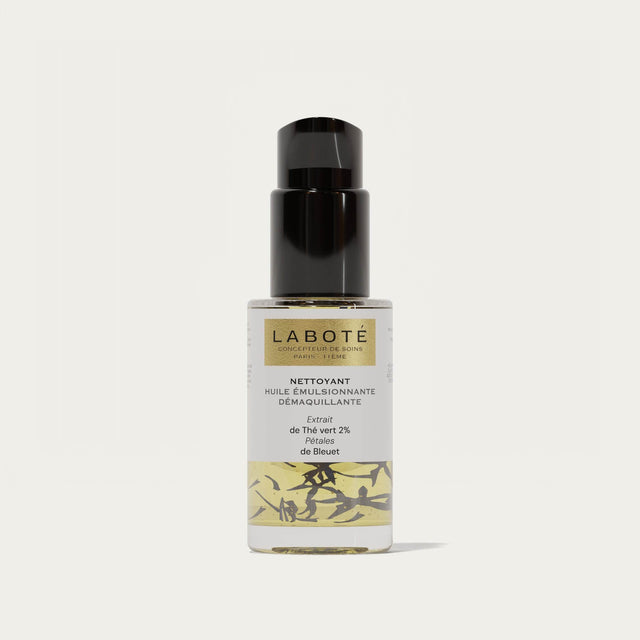
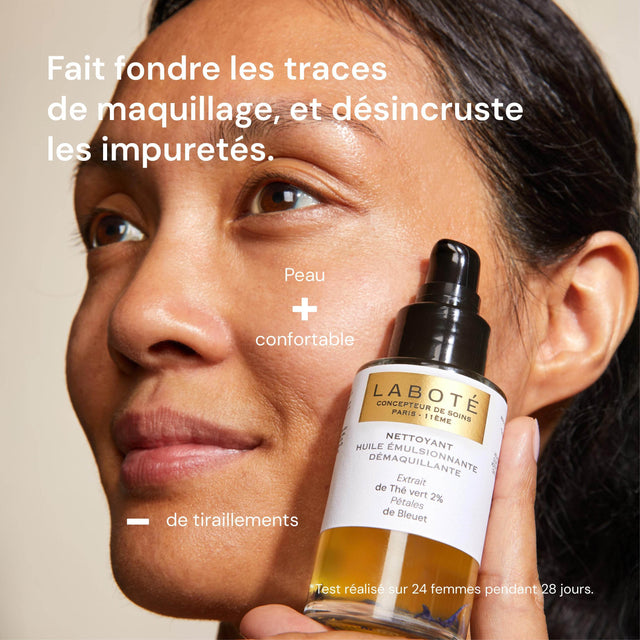
Un seul nettoyage journalier est préconisé, le soir afin d’éliminer toutes les impuretés accumulées durant la journée, avec un nettoyant huile démaquillante infusée au thé vert et au bleuet.
Ne craignez pas d’utiliser cette huile démaquillante et nettoyante plutôt qu’un gel ou une lotion si vous avez la peau grasse ! Elle mime la nature de votre film hydrolipidique durant son application et permet ainsi un double nettoyage de la peau tout en douceur. Par ailleurs, grâce à sa teneur en tensioactifs doux, elle s’élimine très facilement lors du rinçage et ne laisse aucun film gras.
DES CRÈMES JOUR ET NUIT ADAPTÉES
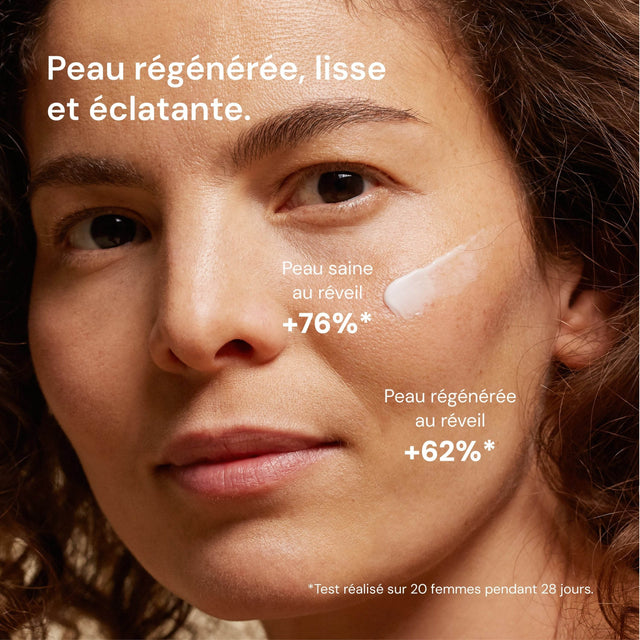
Vos crèmes de jour et de nuit constituent les soins phares de votre routine quotidienne. Pour agir efficacement contre les brillances et imperfections caractéristiques des peaux grasses, leurs formulations doivent reposer sur des actifs sébo-régulateurs. Chez Laboté, nous recommandons l’emploi : de la Pensée Sauvage dans votre crème de jour et de la Nigelle dans votre crème de nuit. Ces actifs d’origine naturelle ne présentent aucun risque pour votre bébé.
UNE CURE DE MASQUES PURIFIANTE
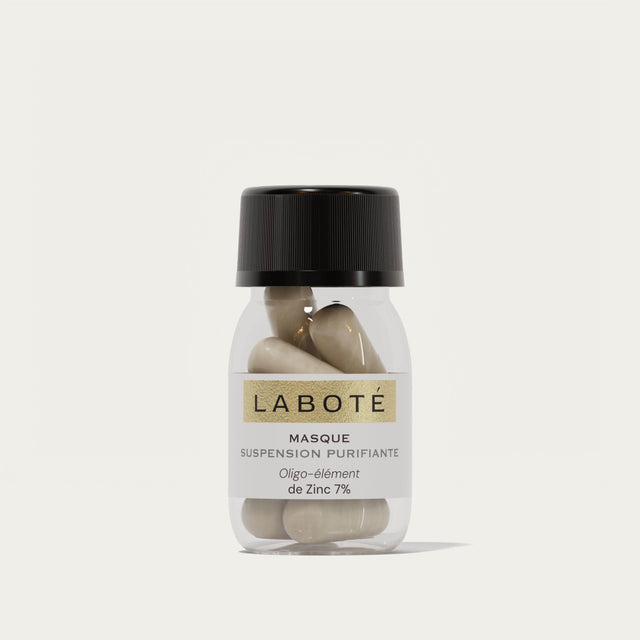
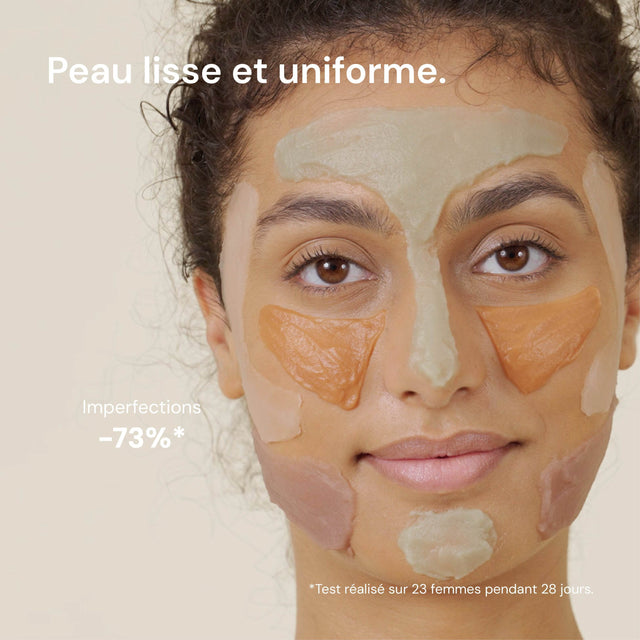
Le masque purifiant permet d’optimiser votre routine beauté. Il s’applique en complément de vos soins quotidiens, une fois par semaine, afin de cibler une problématique cutanée bien précise. C’est un concentré d’actifs qui, en 15 minutes, agit efficacement pour renforcer l’action de vos soins et redonner de la fraîcheur à votre peau.
★★★★★
4.8/5 · 536 avis
Green Tea Extract 2%, Cornflower Petals
★★★★★
4.49/5 · 55 avis
Zinc trace element 7%
★★★★★
4.8/5 · 230 avis
Nigella oil 4%, Fucus extract
Acné : le décryptage de nos experts
QUELS SONT LES INGRÉDIENTS À ÉVITER EN PRIORITÉ DANS SA ROUTINE BEAUTÉ ?
Il faut éviter autant que possible la présence de comédogènes dans vos soins ! Ils sont les principaux responsables de l’obstruction des pores et participent à l’accentuation des imperfections. Chez Laboté, tous les comédogènes sont parfaitement bannis des formulations. Vous pouvez consulter notre charte de formulation pour plus d'informations.
COMMENT SE MANIFESTE L'ACNÉ CHEZ LA FEMME ENCEINTE ?
La peau est devenue plus grasse avec les bouleversements hormonaux liés à la grossesse, elle présente un terrain propice au développement de bactéries responsables de l’apparition d’imperfections. Il en existe plusieurs types, reprenons-les dans l’ordre :
- Les boutons : le sébum s’accumule excessivement dans les pores, les bactéries s’y développent et créent des réactions inflammatoires. Les boutons apparaissent alors.
- Les points noirs : ils résultent de l’obstruction des pores par le sébum qui est oxydé par l’air, ce qui donne cette couleur noire.
- Les pores dilatés : les pores de notre peau sont essentiels à sa bonne santé puisqu’ils permettent l’excrétion du sébum et de la sueur. Cependant, l’accumulation de cellules mortes et de sébum augmente la taille des canaux pilaires et les pores sont alors plus visibles.
- Les microkystes : ils résultent de la production excessive de cellules cutanées qui s’accumulent jusqu’à obstruer intégralement le canal pilaire. Le sébum sécrété par la peau ne pouvant plus être acheminé vers l’extérieur, il se retrouve bloqué sous la peau, créant un bouchon au relief visible de l’extérieur. Les microkystes peuvent parfois évoluer vers une inflammation : ils deviennent alors rouges et laissent des cicatrices.
Par ailleurs, ces manifestations concernent également les symptômes de l'acné chez l'adulte.
LES FACTEURS AGGRAVANTS DE L’ACNÉ CHEZ LA FEMME ENCEINTE
Toutes les femmes enceintes peuvent être concernées par l’acné durant leur grossesse. Même si pendant leur adolescence, certaines jeunes femmes présentent un teint de porcelaine, il n'est malheureusement pas garanti qu'elles seront exemptées d'acné une fois enceinte. Par contre, les femmes ayant eu des petits (ou gros) soucis d’acné pendant l’adolescence, mais également lors de leur(s) précédente(s) grossesse(s), sont davantage susceptibles d’être touchées par l’acné pendant la grossesse (dans près de 9 cas sur 10 malheureusement !).
L’alimentation n’est pas la cause directe de l'acné de grossesse mais elle peut entretenir le phénomène. Les pics d’insuline, dus à l’ingestion d’aliments à index glycémique élevé, peuvent en effet amplifier la sécrétion hormonale et donc la sécrétion de sébum.
Enfin, le soleil est un faux ami de l’acné : il peut l’améliorer temporairement, mais entraîne un effet rebond par la suite.
L’ACNÉ EST-ELLE DANGEREUSE POUR LA SANTÉ DE L’ENFANT ?
Pas de panique ! L’acné chez la femme enceinte est d’origine physiologique et sans caractère pathologique. Elle est donc bénigne, et disparaîtra après l'accouchement. Enfin, l'acné n’a aucune incidence sur le bébé.


 Le soin concerné
Custom serum
Le soin concerné
Custom serum