Which natural oil is best for oily skin?

When you have oily skin, oils may seem particularly unsuitable. And yet, by choosing your oil carefully, it's entirely possible to find a natural oil for oily skin that will beautify the skin and regulate sebum production.
THEMES
Tips/Tricks • Ingredients • Concerns

How to choose the right vegetable oil for oily skin?

To cleanse oily skin, it's essential to first understand how it works and what its needs are. The skin is composed of several key elements:

When sebaceous glands produce too much sebum and skin becomes oily and shiny, it's naturally difficult to consider incorporating oil into your beauty routine. And yet, oil can be your best beauty ally!

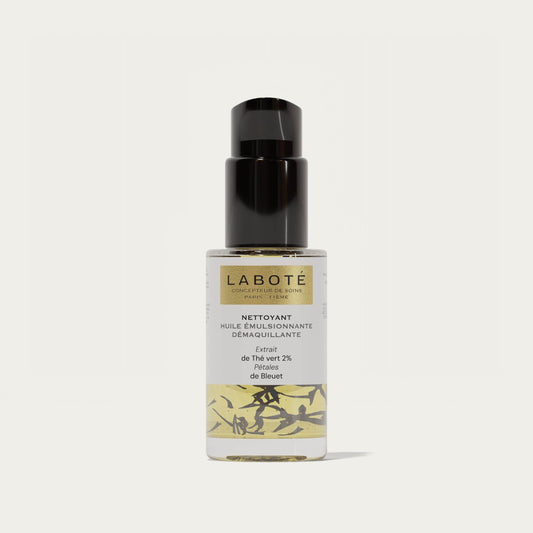
When chosen carefully, a cleansing oil, such as this plant-based cleansing oil for oily skin, can perfectly remove makeup and cleanse the skin without irritating it, unlike conventional cleansers and makeup removers, which tend to cause reactive seborrhea. If you choose a plant-based oil rich in essential acids, it will even help the skin regain its balance by restoring the skin barrier.

Essential oils for oily skin: how to beautify your skin with natural oils?

To get the most out of natural oils, you can use a carrier oil and an essential oil specifically formulated for oily skin, working together in synergy. Among essential oils for oily skin, tea tree oil is particularly beneficial: it possesses broad-spectrum anti-infectious properties as well as anti-inflammatory benefits.

For greater effectiveness on imperfections, we recommend using essential oils for oily skin in synergy.

Our Laboté experts have created a targeted purifying treatment for oily and acne-prone skin. Diluted in a base of Nigella and Jojoba oils, the formula contains:

  • Tea tree essential oil (anti-infectious and anti-inflammatory)
  • True lavender essential oil (purifying and healing)
  • Petitgrain Bigarade essential oil (soothing)
  • Rosemary Verbenone essential oil (regenerating)

For those who suffer from enlarged pores, you can opt for an astringent and sebum-regulating oil. At Laboté, we offer a synergy of Rosemary Verbenone and Spike Lavender essential oils, diluted in Jojoba and Nigella oils.

Be aware that while essential oils are natural, they contain powerful active ingredients that can be dangerous if misused. If you wish to make your own blends at home, handle the oils with gloves and never use them undiluted; always dilute them. Handling pure essential oils is strongly discouraged for pregnant women, and bottles should be stored out of reach of children.

Our targeted treatments based on natural oils for oily skin are prepared by our experts to ensure synergies adapted to your skin biology.

How can you tell if a natural oil for oily skin is comedogenic?

The most important thing to check before buying a natural oil for oily skin is its comedogenicity rating. A comedogenic oil is one that can cause blackheads and whiteheads. It will promote the appearance of spots, microcysts, and pimples that clog pores. The comedogenicity rating is measured on a scale of 0 to 5.

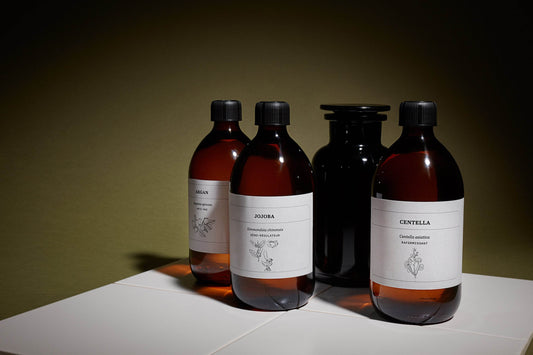
  • Index 0: Ideal for plant-based oils for oily and acne-prone skin, an index of 0 means the oil is completely non-comedogenic. Among these oils are argan, avocado, baobab, hemp, camelina, and one of the most renowned for its effectiveness: jojoba oil for oily skin. Indeed, jojoba oil is a favorite for oily skin, as it regulates sebum production for a clear, matte complexion.

  • Index 1 to 2: This index applies to natural oils that are not very comedogenic. These include apricot, sweet almond, sea buckthorn, macadamia, and castor oils. They are better suited to combination skin than to very oily skin.

  • Comedogenicity rating 3 to 4: Natural oils with a comedogenicity rating of 3 to 4 are comedogenic. These include coconut, rosehip, borage, and cottonseed oils. The common belief that coconut oil is suitable for oily skin is therefore completely false. While it is very effective at nourishing damaged hair, it is not a good match for oily skin!

  • Grade 5: A natural oil with a comedogenic rating of 5, such as wheat germ oil, should be avoided for treating oily skin. It would increase sebum production and significantly promote the appearance of blemishes.

If in doubt, observe the texture of the oil: solid, viscous oils are the most comedogenic, as they tend to clog pores. Opt for lighter, more fluid oils to care for your skin. When choosing your natural oil, prioritize vegetable oils for oily skin rather than mineral oils. Mineral oils are much more comedogenic and offer little nutritional benefit to the skin because they are not biocompatible. Furthermore, they are derived from petrochemicals and therefore have a significant environmental footprint.