Qu'est ce que le psioriasis ?
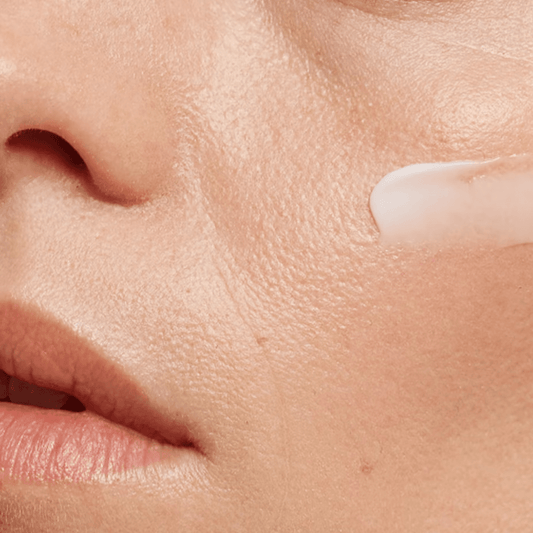
Le psoriasis peut aussi atteindre la peau très fine et fragile du visage et la lisière du cuir chevelu, notamment les ailes du nez et les petits plis qu’on appelle les plis d’amertume, aux commissures des lèvres.
Normalement, le cycle de renouvellement de la peau est de 21 à 28 jours. Mais dans le cas du psoriasis, la peau se renouvelle beaucoup plus vite, tous les 4 à 6 jours, ce qui entraîne des démangeaisons, des desquamations et de l’inflammation. A force de gratter et de desquamer, la peau devient très sèche, et laisse l’épiderme à nu et inconfortable. C’est la raison pour laquelle on dit que le psoriasis est d’origine auto-immun : le système immunitaire est déséquilibré et se retourne contre lui-même en déclenchant des phénomènes inflammatoires et la prolifération des kératinocytes, les cellules superficielles de l’épiderme.
Le psoriasis peut être associé à d’autres pathologies comme l’hypertension, le diabète, l'obésité ou l’arthrite. Une baisse d’immunité suite à un virus, une plaie, une piqûre, un vaccin peuvent aussi être des facteurs déclenchant du psoriasis.
Même si la génétique joue un rôle important dans l’expression du psoriasis, l'hygiène de vie va être déterminante, ce n’est donc pas une fatalité ! Vos parents peuvent très bien avoir développé cette affection alors que vous passerez à côté. Il semblerait même qu’elle puisse aussi sauter des générations.
La plupart des personnes qui développent un psoriasis sont très sensibles. C'est la raison pour laquelle il est important de travailler sur la sphère émotionnelle dès le début du diagnostic ou si vous avez un risque d’hérédité.
D’autres déclencheurs potentiels moins connus il y a quelques années sont pointés du doigts aujourd’hui, notamment les problématiques digestives telles que la perméabilité intestinale ou leaky gut, ainsi que le rôle primordial du foie.
Enfin d’un point de vue symbolique, le psoriasis marque souvent la perte d’un être cher, un sentiment de rejet ou d’abandon, un sentiment de peur, voire la volonté de changer de peau, le psoriasis fait alors figure d’armure pour se protéger du monde extérieur.
Certains facteurs vont aggraver les poussées de psoriasis. C'est notamment le cas du grattage, de l’alcool, du tabac, du surpoids, de certains médicaments mais aussi du stress chronique.
Adoptez une routine de peau appropriée
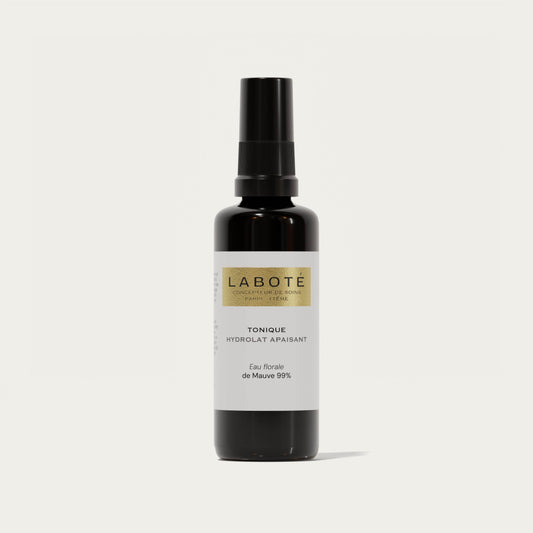
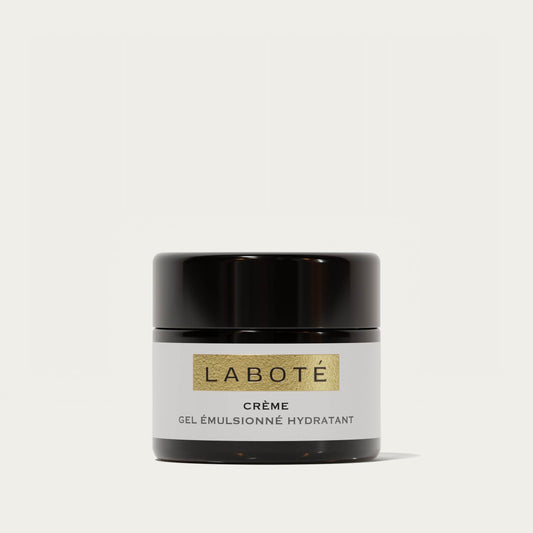
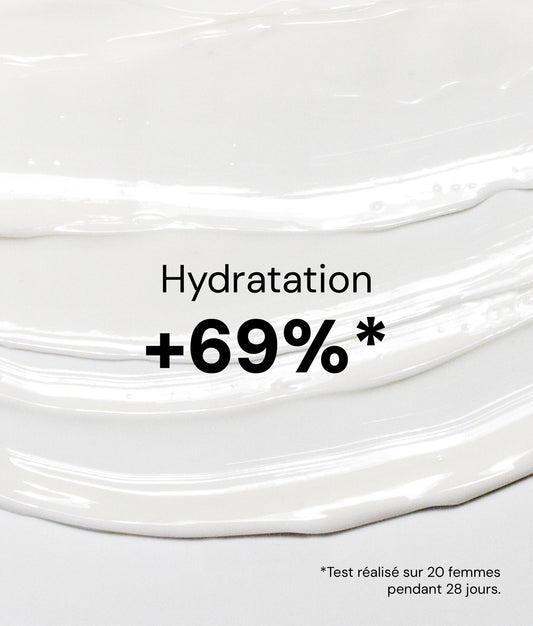
Sur le visage, le matin, privilégiez un rituel très doux, en commençant par notre Tonique apaisant. Puis appliquez la Crème gel émulsionné hydratant. Le soir, optez pour un protocole adapté pour nettoyer et apaiser tout en douceur votre peau, en commençant par notre Nettoyant huile démaquillante, puis le Tonique hydrolat apaisant, suivi de la Crème émulsion régénérante. Une fois par semaine, le Masque suspension apaisante va permettre d’apaiser la peau et réduire les irritations.
Notre Crème corps émulsion veinotonique permet de répondre aux besoins de votre peau sensible grâce à sa formule composée d'extrait de café et d'Arnica. Notre soin corps vient réduire la sensation de jambe lourde (-58%), hydrate (+50%) et tonifie (+24%).
Apprendre à gérer le stress et l’aspect émotionnelle permet de réguler les crises
Si le stress est un facteur aggravant, apprendre à le gérer sur le long terme permet en outre d’éviter les poussées. De plus, le stress peut compromettre la fonction barrière de la peau, la rendant plus sensible et plus sujettes aux irritations.
Pour cela, chacun sa méthode : cohérence cardiaque, méditation, yoga, exercices de respiration, sophrologie… Toutes ces techniques vous permettront de diminuer le taux de cortisol, l’hormone du stress , et ainsi d’éviter une flambée inflammatoire.
L’annonce du diagnostic peut être difficile pour certains et venir se cumuler avec un stress déjà bien présent. L’annonce d’une maladie qu’on ne peut pas guérir peut laisser un sentiment d’impuissance et d'incompréhension, et venir bouleverser les projets de vie, le quotidien de toute une famille, entraîner une modification du rapport aux autres, un repli sur soi. Cela peut nécessiter un travail d’acceptation pas toujours évident à mettre en place mais toujours bénéfique. En effet, il est important de continuer à s’aimer, à se chouchouter…. Octroyez-vous du temps pour vous, des pauses pour vous détendre et prendre soin de vous chaque semaine. Des tisanes relaxantes comme la camomille, bien connue pour ses propriétés apaisantes.

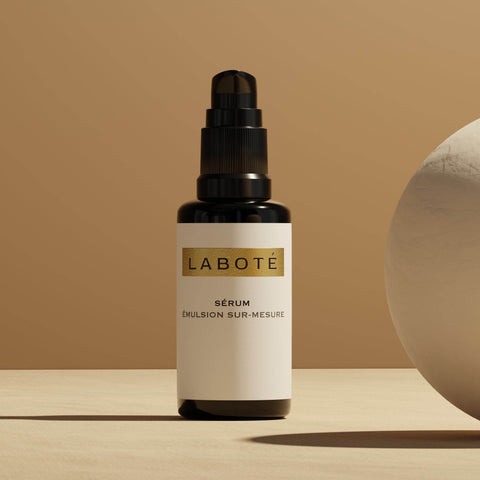


 Le soin concerné
Custom serum
Le soin concerné
Custom serum