Rosacea: what treatments are available?

Couperose, or rosacea, is a common skin condition that can develop into acne rosacea if left untreated. Our clients often consult us for persistent redness caused by poor microcirculation. Sometimes, medical treatment by a dermatologist is necessary, including laser sessions or medication, depending on the severity. Aesthetic solutions and cosmetic treatments, combined with lifestyle changes, can also yield good results. What are the symptoms of couperose? How can they be soothed? Our experts share their advice for a suitable skincare routine, based on over 6,000 diagnoses.

THEMES
Concerns • Care • Tips/Tips

What is rosacea?

Rosacea is primarily a skin condition characterized by a vascular disorder that affects the skin mainly in the center of the face and sometimes on the upper torso, neck and décolletage.

The muscular sphincters that regulate the size of blood vessels are not functioning normally. This results in weaker and less effective compression of the vessel walls, leading to inadequate constriction of the blood vessels (poor vasoconstriction). Blood circulation is impaired, blood pools, and dilated vessels are observed, accompanied by redness on the surface (also called erythrosis). This benign skin condition progresses through different stages and forms or may remain stable.

Erythrosis, couperose, rosacea, acne rosacea: how do rednesses on the face evolve?

PRE-ROSACEA:

This phase is characterized by redness (the well-known "flushes" or "erythematous hot flashes") in the nose and cheeks. These are often accompanied by a burning sensation and unpleasant tingling. It occurs intermittently before subsiding.

ROSACEA OR COUPEROSE:

The redness is characterized by small red or purple blood vessels called telangiectasias, which are visible on the surface of the skin. The redness is permanent and worsens with changes in temperature, physical exertion, or alcohol consumption, for example.

ROSACEA ACNE:

In addition to the previous symptoms, papules and pustules (those red bumps) appear on the nose and cheeks. The term "rosacea" is often used incorrectly. In reality, this condition has nothing to do with acne, as the pilosebaceous follicles are not affected, but the papulopustular areas resemble acne pimples. It is important, however, not to touch them and especially not to apply anti-acne products. Therefore, a proper diagnosis of rosacea is crucial for applying the correct treatment.

THE LATE PHASE:

Named rhinophyma, this fourth stage is fortunately rare and is characterized by a thickening of the skin around the nose (blisters).

How to recognize rosacea?

SYMPTOMS OF COUPEROSE

  • "Flush" following external stimuli: changes in temperature, spicy food, hot baths, physical exertion, or consumption of alcohol or coffee. Significant redness is then observed on the cheeks, mainly accompanied by a sensation of heat and sometimes tingling. The condition is considered "pre-rosacea" if the redness is transient and disappears.

  • Couperose or rosacea: redness on the face becomes permanent and small dilated blood vessels can be seen under the skin (called telangiectasias).

  • Rosacea: papules appear on the cheeks and nose, in addition to redness.


THE ORIGIN OF COUPEROSE

  • A genetic cause: people with fair skin and light eyes are thought to be more affected.

  • An overreaction of small blood vessels to heat.

  • An imbalance in the microbiota: excessive presence of a mite/parasite: Demodex

  • A digestive cause is sometimes mentioned: studies show that people with rosacea also often have intestinal and/or stomach problems.

Laser treatment for rosacea

VASCULAR LASER SESSIONS AT THE DERMATOLOGIST'S

Laser treatments for rosacea yield excellent results; however, several sessions are necessary depending on the areas treated, and annual maintenance sessions with a dermatologist are recommended. This dermatological treatment, which targets dilated blood vessels, is sometimes essential to eliminate even the most visible redness on the face. We often recommend that our clients who wish to learn more about laser treatments consult Dr. Valerie Leduc, an angiologist and cosmetic physician. There are also specialized laser treatment centers.

Drug treatments for couperose

Dermatologists often prescribe a cream called Rozex for rosacea or acne rosacea with pustules or papules. The active ingredient is metronidazole, which targets Demodex mites, the parasite identified in rosacea. Other treatments, such as oral antibiotics, are also frequently prescribed by dermatologists.

How to treat rosacea naturally?

Cosmetics, diet, and overall lifestyle changes are sometimes enough to reduce simple rosacea. In cases of severe rosacea, medical treatment by a dermatologist should be considered concurrently.

Our first piece of advice is to hunt down irritating ingredients that often worsen facial redness. The main categories of ingredients to avoid are harsh detergents like Sodium Lauryl Sulfate (SLS), overly stripping cleansers (gels, basic soaps, micellar waters), broad-spectrum preservatives like methylisothiazolinone, alpha hydroxy acids (AHAs) found in many natural exfoliants, and mechanical scrubs.

Our second piece of advice concerns the frequency of cleansing: only once a day, in the evening, to avoid further disrupting the skin's microbiota. We now know that a parasite is involved in rosacea (which is why drug treatments for rosacea, such as Rozex, based on metronidazole, give good results on facial redness as well as on the more papulopustular areas in cases of acne rosacea).

The essential and indispensable steps to effectively combat facial rosacea:

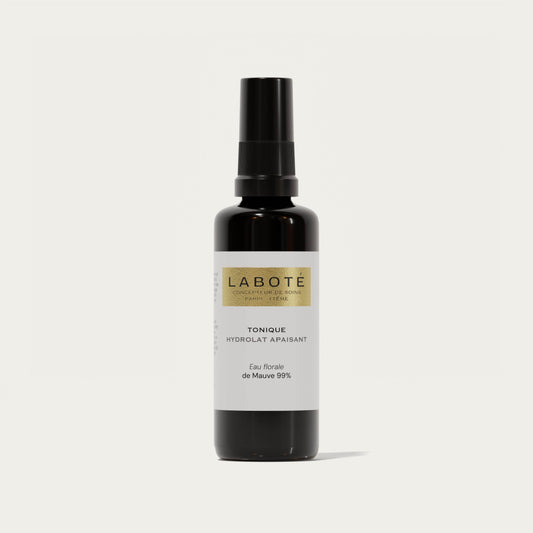
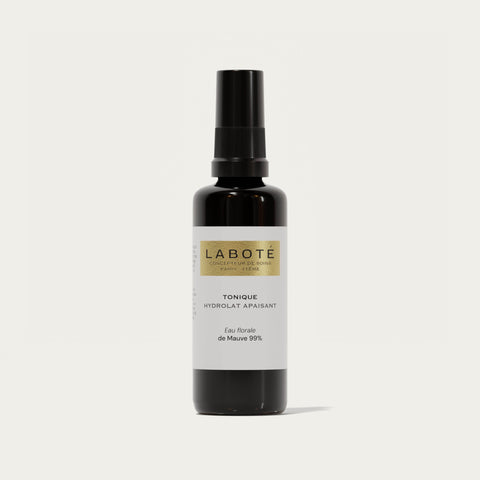
1. In the morning, do not cleanse your face but awaken your skin with a very soothing mallow tonic .

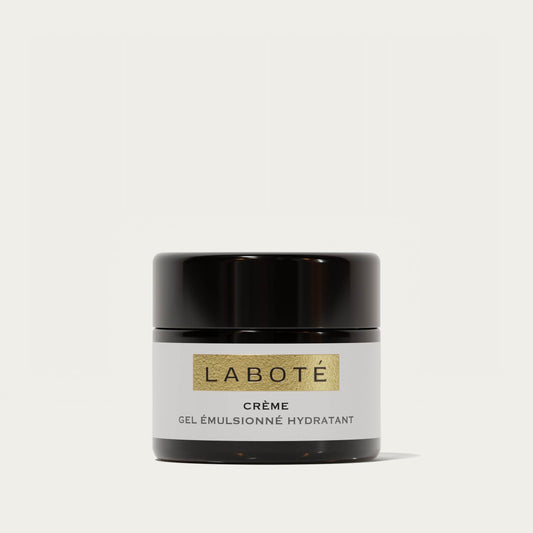
2. The golden minute: While your skin is still damp, apply your day cream , which will carry with it the active ingredients contained in your floral water. Our best-selling formula for treating rosacea is the Moisturizing Emulsion-Gel Cream, rich in vasoprotective and soothing calendula.

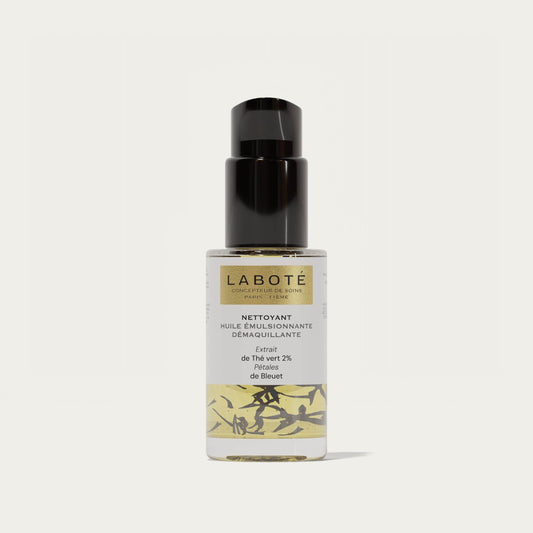
3. Gentle cleansing that respects the skin microbiota: in the evening only, thanks to a cleansing oil enriched with soothing cornflower petals and purifying green tea.

Advice from our naturopathic experts on treating rosacea

Physical activity adapted for couperose

Physical activity is important for promoting better blood and lymphatic circulation and for improving oxygenation. However, for those affected by these skin conditions, it's advisable to engage in gentle exercise to avoid raising body temperature too much and causing (or worsening) flushing. Swimming, water aerobics, yoga, trampolining, cycling… or even just walking can be sufficient if you do it for at least 30 minutes every day.

The anti-inflammatory diet for rosacea

The principle is to avoid foods that will cause inflammation. This is why we recommend limiting or even eliminating certain food categories:

  • Refined sugars are used particularly in industrial baking and confectionery. It is preferable to make your own desserts with sugars that have a low glycemic index (coconut sugar, agave syrup, green stevia, etc.).

  • Gluten and dairy products should be severely limited. They are among the most inflammatory foods, and I recommend trying a one-month gluten-free diet to study how your body reacts.
    The same goes for processed foods, which are often fatty and loaded with preservatives... Homemade food is always preferable!

  • Overcooked fats, fats in excessive quantities, or fats that are indigestible.

  • Alcohol, coffee, and tobacco will be detrimental to you and may cause more frequent flushing.

  • Processed meats, often too fatty, too salty and full of preservatives, should be avoided as much as possible.

  • Red meat should also be significantly limited.

  • Drinks or food that are too hot. It's better to eat and drink lukewarm.

  • The spices were too strong.

However, there are foods rich in vitamins, minerals and trace elements that you can incorporate into your daily routine if you wish to give your body a boost to improve redness:

  • Vitamin B: whole grains, legumes, oilseeds, garlic, onions, leeks, sprouted seeds…

  • Zinc: whole grains, shiitake mushrooms, eggs, oysters, lentils, chickpeas, pumpkin/sesame/flax seeds…

  • Vitamin A: sweet potato, carrot, pumpkin, spinach, eggs, romaine lettuce, lettuce…

  • And in general: cruciferous vegetables, ginger, turmeric, artichokes, parsley, rosemary, red berries, apples…

Managing stress and emotions to soothe rosacea

ANTI-STRESS TUTORIAL: HEART COHERENCE

Heart coherence is a practice that allows for the management of stress and emotions, easily combined with a breathing exercise and extremely easy to do daily at home.

Simply practice it 3 times a day, taking 6 breaths per minute for 5 minutes. It is done using diaphragmatic breathing. Breathe while imagining your belly expanding and contracting like a balloon.

Breathe through your nose, hands on your stomach. With each inhale, let your stomach slowly expand. With each exhale, let your stomach gently contract.

First, slowly but firmly inflate your belly, then exhale fully while drawing your belly in with a contraction of your abdominal muscles. The exhalation time should be longer than the inhalation time.

Right hand on the chest and left hand on the stomach: check that only the left hand moves, the right hand on the chest remains still.