Understanding your skin and its needs

At Laboté, we believe that a single cream cannot suit everyone. It is essential to determine the specific needs of each individual's skin to tailor skincare. Classifying skin by type is limited and does not reflect biological reality, neglecting factors such as skin aging, sensitivity, environment, lifestyle, and allergies. Our experts explain: a proper diagnosis must gather clinical, environmental, and allergy data, and then provide customized results.

THEMES
Tips/Tricks

Understanding your skin

SKIN TYPE

There are four different skin types: normal, dry, oily, or combination. Our genetics determine our skin type.

Normal Skin

Normal skin is characterized by a soft and clear texture. It is both hydrated and has regulated sebum production. It always feels comfortable.

Dry skin

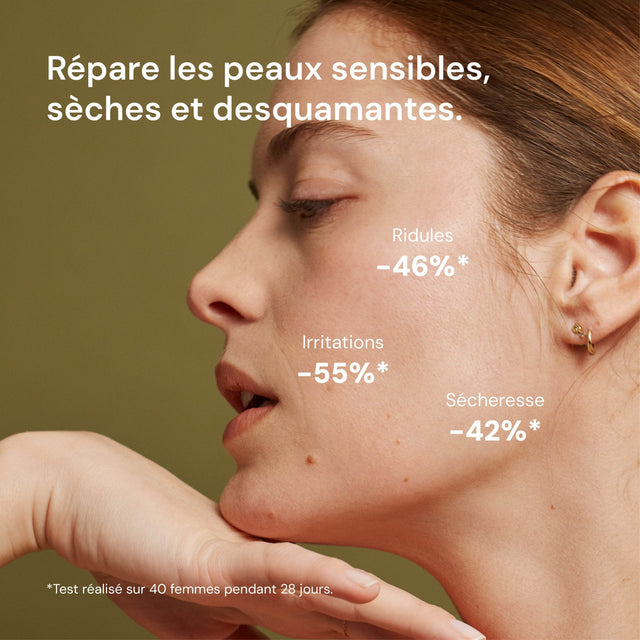
Dry skin is characterized by tightness. Very dry skin can cause itching and sometimes even slight flaking. It is due to a lack of water, but especially of lipids. It is a permanent condition, unlike dehydrated skin, which is a temporary state.

Oily Skin

Oily skin is characterized by various skin conditions such as blackheads, pimples, milia, and enlarged or sometimes clogged pores. It is caused by an excessive secretion of sebum. The cause of this overproduction of sebum is multifactorial (heredity, hormonal imbalances, stress, pollution, smoking, and climate change).

Combination skin

Combination skin is both oily (with the characteristics of oily skin) on the T-zone (forehead, nose, chin) and dehydrated on the rest of the face.


SKIN PARAMETERS

There are 5 other parameters that qualify the skin: the hydration level, sensitivity, radiance, skin texture (such as imperfections and other), the degree of aging.

Dehydrated skin

Skin becomes dehydrated when it loses its ability to retain water within the epidermis. Dehydration is often temporary: when the air is dry, the external atmosphere acts as a "pump." Similarly, when detergents are applied that damage the protective film, water evaporates and discomfort sets in.

Sensitive skin

Sensitive skin is skin that reacts more quickly than average to external factors (temperature changes, unsuitable cosmetics, etc.) and internal factors (hormonal imbalances, diet, etc.). It is also associated with skin that has specific skin conditions such as rosacea, couperose, eczema, and psoriasis.

Dull skin

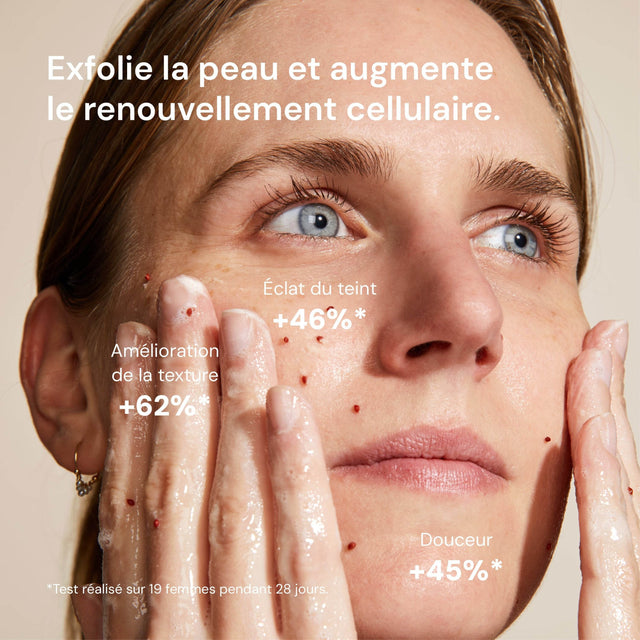
Dull skin is characterized by a grayish and uneven complexion. It can be caused by poor lifestyle habits (smoking, alcohol, unbalanced diet, lack of hydration, etc.). But it can also be caused by poor oxygenation of the epidermal cells, a disruption in skin renewal, or an excess of dead cells (if the epidermis is not properly/sufficiently cleansed in the evening, elements such as makeup, sweat, or sebum, for example, will accumulate, and the pores will become clogged).

Blemished skin

Skin texture can present imperfections in various forms: pores, microcysts, pimples… each imperfection can have different origins (hormones, diet, cosmetic products…) but they all have in common a disruption of the functioning of the sebaceous gland.

Mature skin

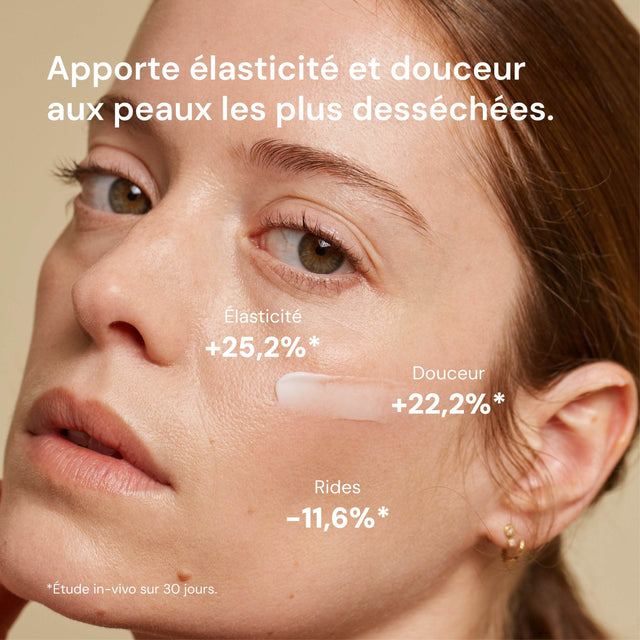
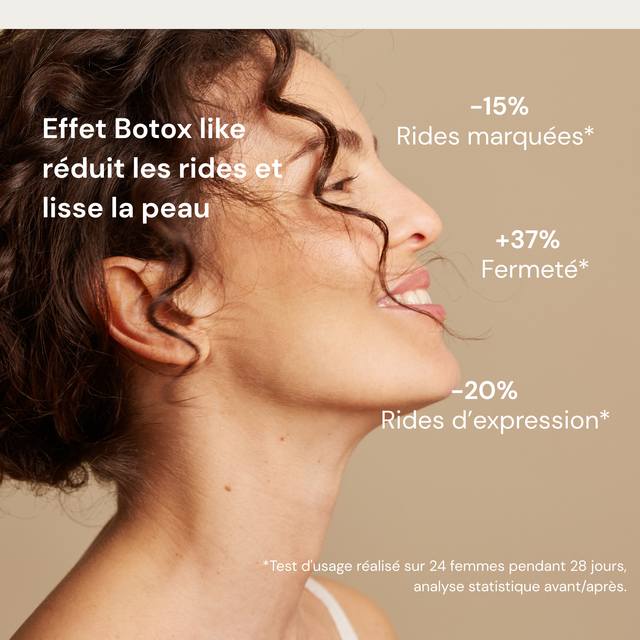
Mature skin is characterized by a loss of elasticity and firmness, and the appearance of wrinkles. This is due to age, but also to genetics, and can be exacerbated by environmental factors such as stress or smoking.


A TAILORED PRESCRIPTION WITH COSMETIC TREATMENTS ADAPTED TO YOUR SKIN


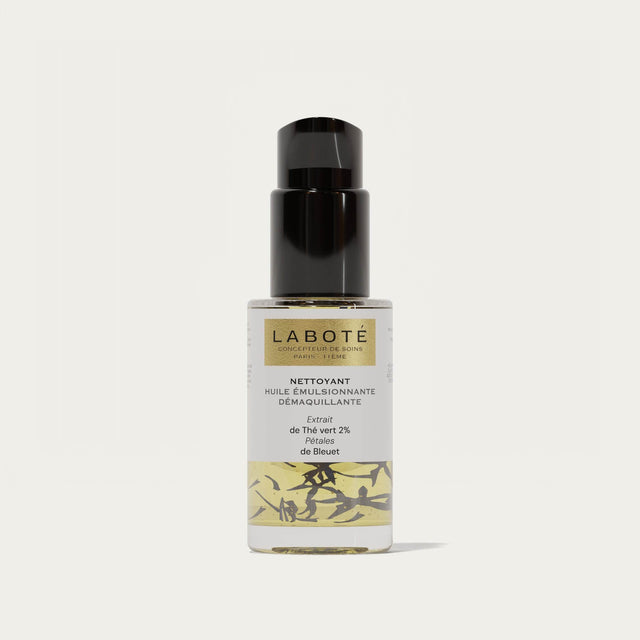
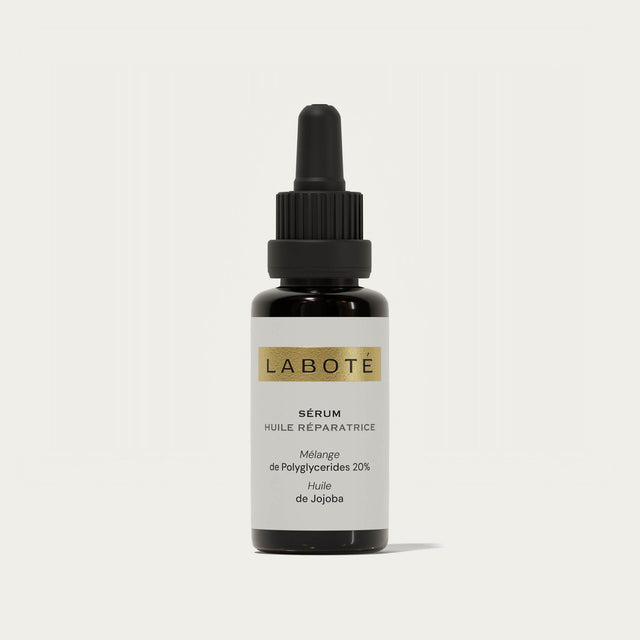
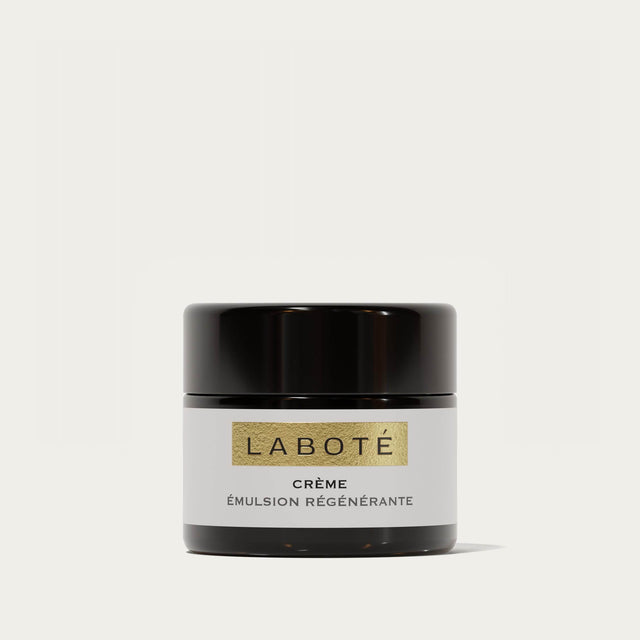
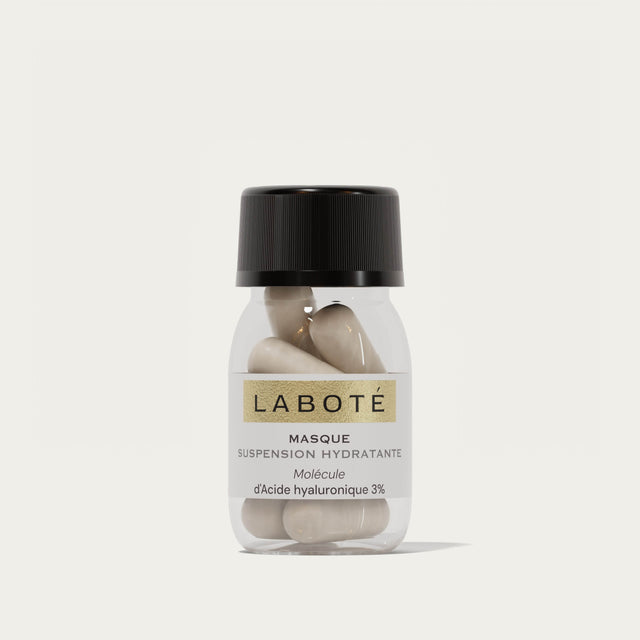
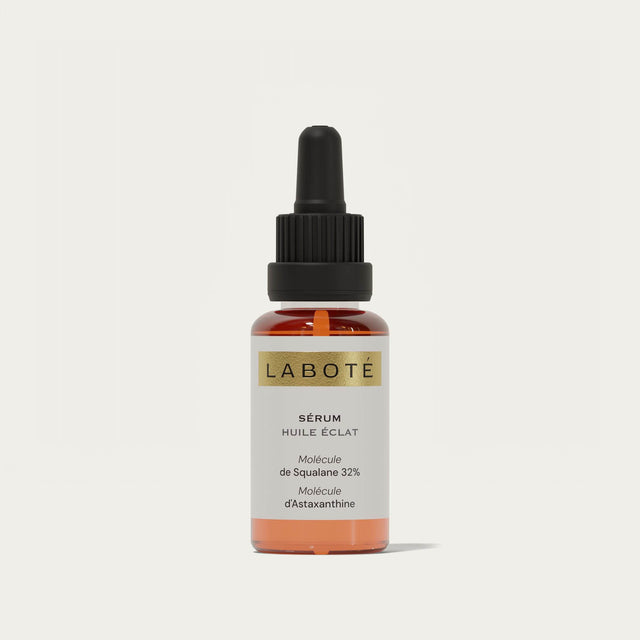
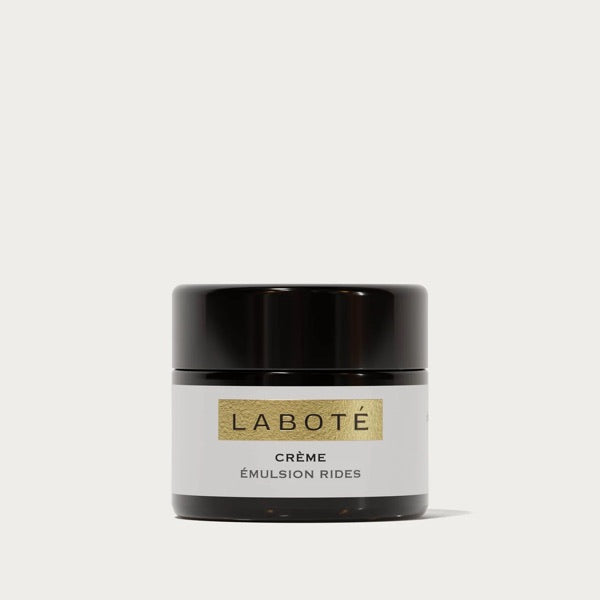
Customization means adapting the composition of products and the beauty routine to each individual. Therefore, for each person, the customized prescription includes:

  • The 3 essential actions to take every day
  • Additional care to go further
  • An herbal tea recommended by our naturopathic experts

Furthermore, personalized care also means taking into account the skin's evolution and adapting the treatment accordingly. Updating the diagnostic process allows pharmacists and naturopaths to consider these changes when formulating future skincare products.