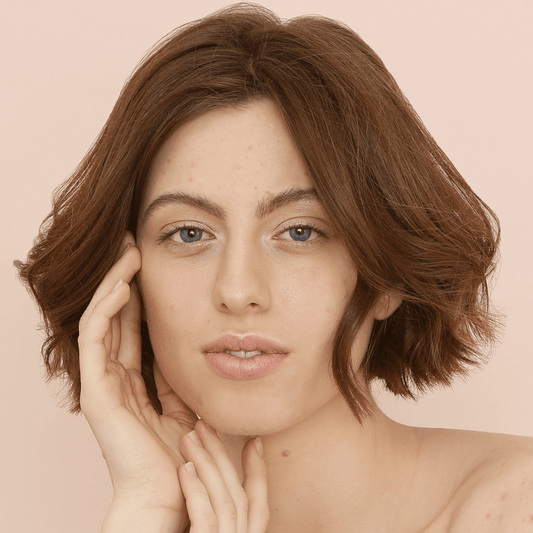
Comment savoir si votre acné est hormonale ?
RECONNAÎTRE L’ACNÉ HORMONALE
À la différence de l’acné de l’adolescent, l’acné hormonale de la femme adulte est essentiellement inflammatoire avec peu ou pas de comédons purulents. L’acné hormonale est permanente et souvent localisée dans le bas du visage ou sur la zone T. Nous distinguons alors 3 grands facteurs exogènes et endogènes favorisant cette acné hormonale :
- Les moments de vie : les règles, la grossesse, le post-partum ainsi que la ménopause
- L’alimentation
- L’hérédité
Ces 3 facteurs conduisent tous à un déséquilibre hormonal et peuvent être cumulés chez chaque individu.
Vous vous interrogez sur la nature de votre acné et souhaitez l’avis d’un expert ? Nos naturopathes répondent à vos questions lors d’une consulation naturo-beauté gratuite et individuelle de 30 minutes.
ACNÉ ET HORMONES, QUEL EST LE LIEN
De nombreuses hormones peuvent provoquer de l’acné chez l’adulte :
Les androgènes sont les hormones stimulant la croissance des glandes sébacées et régulant la production de sébum par notre peau. À l’inverse, les œstrogènes modulent indirectement la croissance des glandes sébacées et régulent leur fonction. Lorsque le taux d’androgènes augmente et que le niveau d’œstrogènes reste faible, le déséquilibre conduit à l’apparition de l’acné. C’est ce qu’il se passe notamment au moment des règles. Lorsque ce déséquilibre est permanent, l’acné s’installe.
La progestérone (hormone féminine) est une autre hormone pouvant être responsable d’une poussée d’acné. Lorsque cette dernière est en quantité trop faible par rapport aux œstrogènes, l’acné peut se manifester.
LA FORMATION DE BOUTONS D’ACNÉ HORMONALE
Au niveau de la glande sébacée, on observe plusieurs phénomènes :
- L'hyperséborrhée : elle correspond à la stimulation de la production de sébum par les hormones. Soit parce que certaines hormones, dont les androgènes, sont en excès, soit parce que les glandes sébacées sont plus réceptives aux stimulations androgéniques liées à l'hérédité.
- L’hyperkératinisation engendre l’épaississement de la peau et la rétention sébacée. Le sébum produit en excès n’est donc pas excrété. La qualité du sébum peut également être en jeu car si sa viscosité augmente, son écoulement diminue.
- L'inflammation et le développement bactérien : en cas de surproduction de sébum, une bactérie appelée Propionibacteriumacnes se multiplie anormalement dans le follicule rétentionnel. Elle prolifère de manière privilégiée dans les comédons ou les microkystes et déclenche une réaction inflammatoire (pustule, rougeur, douleur …).
Quelle solution lorsqu’on souffre d’acné hormonale ?
UNE ROUTINE COSMÉTIQUE ADAPTÉE À L’ACNÉ HORMONALE
Nos experts naturopathes et pharmaciens ont analysé près de 23.000 profils de peau concernés par l'acné hormonale. Ensemble, ils ont développé le protocole de soins Acné hormonale et belle peau, une routine en 3 phases :
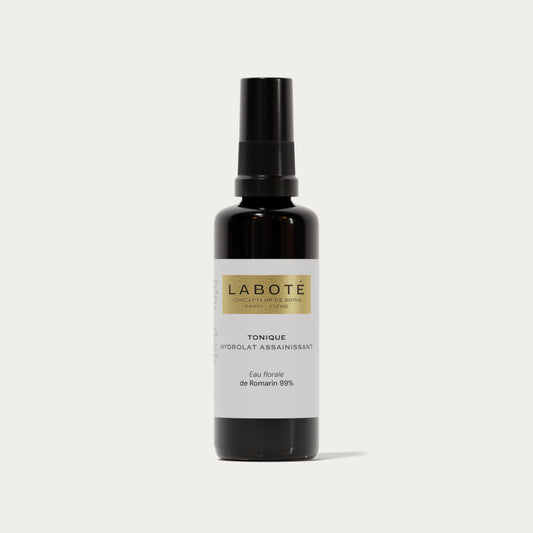
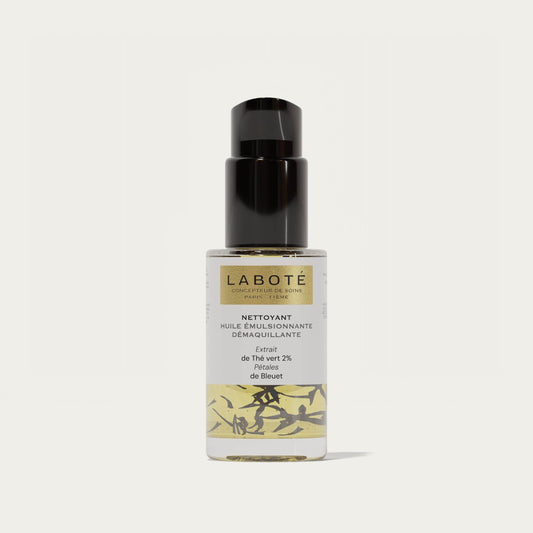
- "Restart" : Le nettoyage-soin grâce au Nettoyant - huile démaquillante à base d’huile végétale, infusée au bleuet et au thé vert. Il permet de ne pas déstabiliser le microbiote et le film hydrolipidique. La glande sébacée ne sera pas stimulée comme elle pourrait l’être après l'utilisation de produits décapants tels que des eaux micellaires ou des gels nettoyants. L’ajout de thé vert dans la formule permet d’assainir le pore. La fréquence de nettoyage est très importante pour limiter la production de sébum réactionnelle : une fois par jour suffit, le soir. Le matin, une eau florale de Romarin permet d'éveiller la peau sans la fragiliser.
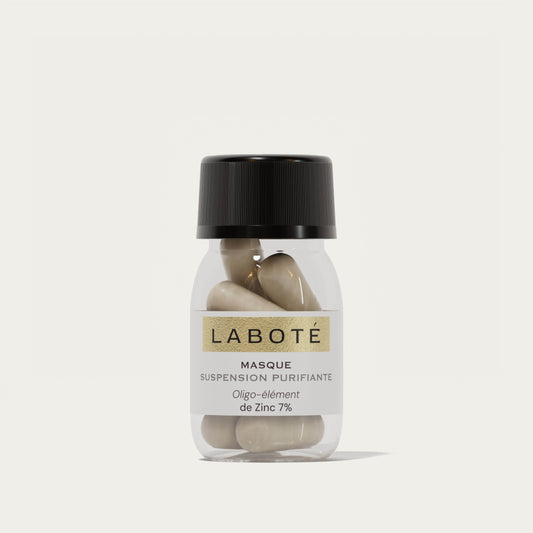
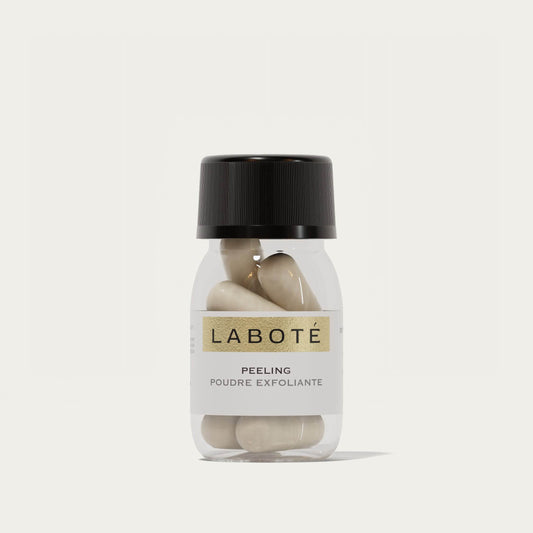
- "Kill" : en appliquant localement le Soin ciblé condensé purifiant, à base d'huiles essentielles de Tea Tree, de Romarin, de Lavande Officinale et de Petit Grain de Bigarade. Un masque purifiant, riche en montmorillonite pour emprisonner les impuretés et en zinc pour ses propriétés anti-inflammatoire et cicatrisante. Le peeling parfait permet de potentialiser l'efficacité de ces soins et de prévenir l'apparition de nouvelles imperfections en affinant la peau.
- "Transform" : une action le jour, avec une Crème - gel émulsionné purifiant, pour protéger des radicaux libres et renforcer les défenses naturelles de la peau.
ALIMENTATION ANTI-ACNÉ : QUELS ALIMENTS CHOISIR ?
Notre alimentation joue un rôle essentiel dans la santé de notre peau. Il faut y être attentif et privilégier des aliments anti-inflammatoires et doux pour la flore intestinale.
Les aliments à éviter :
- Le gluten essentiellement présent dans la farine de blé. Il est intéressant de viser des produits élaborés avec d’autres farines telles que la farine de riz, de quinoa, de châtaigne, ou de petit épeautre.
- Les produits laitiers composés de lait de vache peuvent être substitués par des boissons et yaourts végétaux.
- Les sucres raffinés présents dans les plats industriels, pâtisseries et autres gourmandises sucrées.
Les aliments alliés :
- Les aliments à faible indice glycémique pour ne pas augmenter le taux d’androgène : pomme, poire, noix de pécan, noix de cajou, légumes et légumineuses.
- Les aliments qui peuvent limiter l’excès d’insuline dans le sang : les fruits rouges, le raisin, les légumes, le cacao, le thé vert, la cannelle, l’huile d’olive.
- Les omégas : ils réduisent l’inflammation, on les retrouve dans les poissons gras tels que le saumon, les sardines ou les huiles vierges pressées à froid, les graines et les oléagineux.
- Le zinc : il contribue à baisser l’inflammation et à la diminution des marques d’acné. On le retrouve dans les fruits de mer et les céréales complètes.
- La phytothérapie joue un rôle important pour soigner les maux de l’organisme et complète votre routine alimentaire. La tisane purifiante Laboté à base d’ortie et de pensée sauvage est conseillée en cure de 30 jours. Laissez infuser les plantes environ 10 à 15 minutes dans de l’eau bouillante puis dégustez.
POUR ALLER PLUS LOIN DANS LE TRAITEMENT DE L'ACNÉ HORMONALE
Découvrez les conseils de nos naturopathes Laboté, experts des peaux exigeantes :
Éviter le stress :
Le stress provoque une augmentation conséquente des cytokines inflammatoires et peut aggraver les problèmes de peau. Il stimulerait aussi la production d’androgènes. Pour une meilleure gestion du stress et des émotions, les exercices de respiration tels que la cohérence cardiaque et la pratique d’une activité physique régulière sont recommandés et favorisent la détente au quotidien.
Bilan endocrinologie :
En cas d'acné hormonale sévère, contacter un endocrinologue permet d'écarter plusieurs pistes. Ce spécialiste des pathologies hormonales intervient notamment en cas de dérèglement de la thyroïde et d'anomalies du système reproducteur. Grâce à un bilan hormonal complet, l'endocrinologue pourra déterminer si votre acné est liée au syndrome des ovaires polykystiques (SOPK), courant chez les jeunes femmes, et s'assurer qu'il n'y a pas de risque de diabète.
Microbiote intestinal :
La microbiote intestinal agit sur le métabolisme du corps humain et affecte les organes en cas de déséquilibre. La peau étant le plus grand organe du corps, il est utile de soigner et de nourrir son microbiote par l'alimentation ainsi que des probiotiques et prébiotiques adaptés à vos besoins.

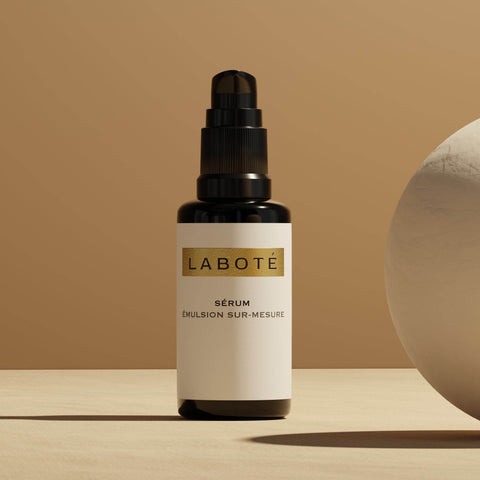


 Le soin concerné
Custom serum
Le soin concerné
Custom serum