

Couperose, rosacea: how to soothe redness on the face?

Does your skin seem hypersensitive, reddening, and burning? Our Doctors of Pharmacy explain how to soothe redness on your face using medicinal plants. Couperose, rosacea, occasional redness, and cosmetic treatments: whether you have atopic dermatitis or not, your skin will no longer hold any secrets for you.

THEMES
Concerns • Care • Tips/Tips

How to soothe facial redness: learn to distinguish between them

Before asking yourself how to soothe redness on your face, make sure you identify its nature. Some redness is relatively benign. Others, on the contrary, are skin conditions that are much more delicate to treat.

  • Occasional redness is a very common skin condition, independent of skin type. It is temporary and generally harmless, but can sometimes be distressing. Some cases are precursors to rosacea.

  • Couperose is often confused with rosacea. In reality, it is only a symptom of the latter. It corresponds to a bright, diffuse redness marked with small purplish streaks called telangiectasias.

  • Rosacea is not a skin type, but a chronic inflammatory condition. It primarily affects the face and scalp of individuals with fair skin. Its progression involves several stages.

Erythema: localized redness that is not serious

Erythema is a redness of the skin that disappears quickly. If you press on it with your finger, you will see that its red color fades for a while. It is caused by a hyperdilation of the arterioles, the blood vessels in your dermis.

These are very common dermatological lesions that can appear anywhere on your face or body.

  • Flushing is a sudden and temporary reddening. It can occur after physical exertion, exposure to cold or heat, alcohol consumption, or even a strong emotion (it's the famous blush that creeps up the cheeks of shy people!). You can also experience it during stage 1 of rosacea.

  • Sunburn is also a type of erythema. In medical terms, it's called "actinic erythema." In this case, it's UVB exposure that's the cause.

  • Some are caused by diseases such as measles, scarlet fever, or rubella.

The case of facial erythrosis

Unlike erythema, facial erythrosis is a persistent, diffuse redness. It is most often located on the cheeks, but can also affect the décolleté.

It appears as a result of a slowing of blood flow in the veins of the face. Over time, this sluggish circulation causes the capillaries to dilate. To such an extent that they eventually retain this dilation until they become visible to the naked eye.

It is when erythrosis sets in that the skin risks developing couperose, then rosacea. At this stage, a consultation with a dermatologist is essential for those seeking to soothe their facial redness.

How can I soothe facial redness using cosmetic treatments?

Occasional redness of atopic or reactive skin, erythema, erythrosis: all these manifestations must be treated with the utmost gentleness. Choosing your cosmetics is very important. Depending on the identified triggers, opt for skincare products with active ingredients specifically selected for sensitive skin or skin affected by rosacea.

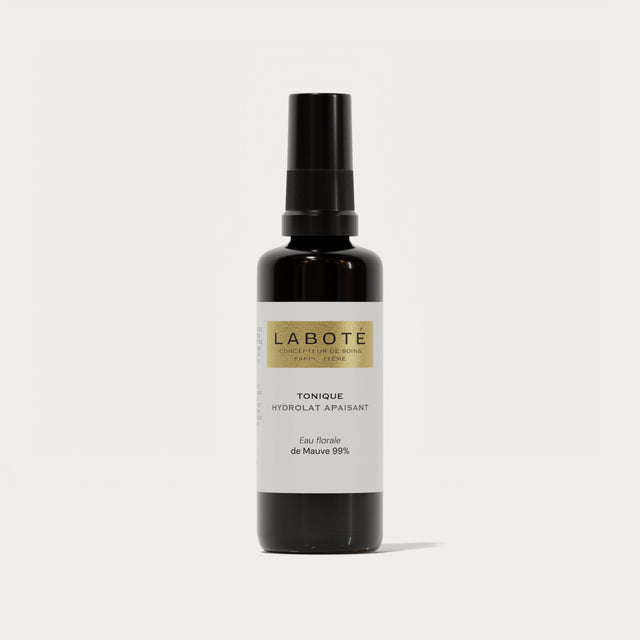
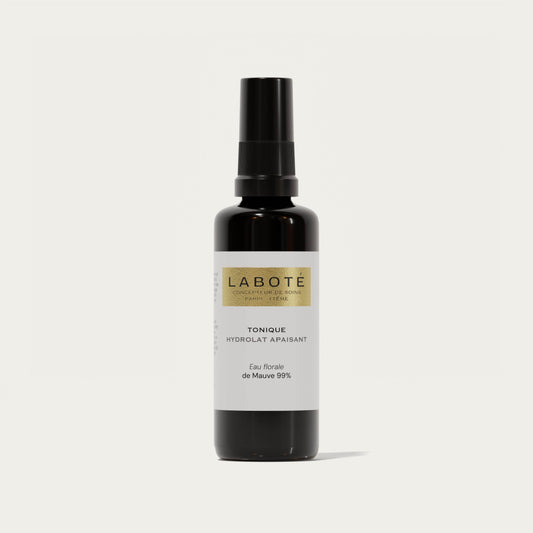
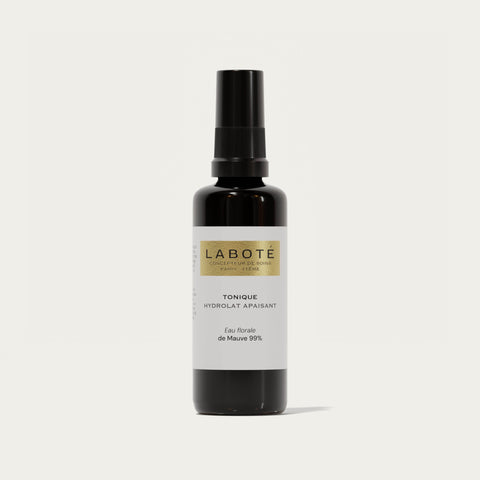
  • In the morning, refresh your skin with a hydrosol. Our experts recommend the Soothing Mallow Toner . A favorite for sensitive skin, it's well-known for relieving minor irritations.

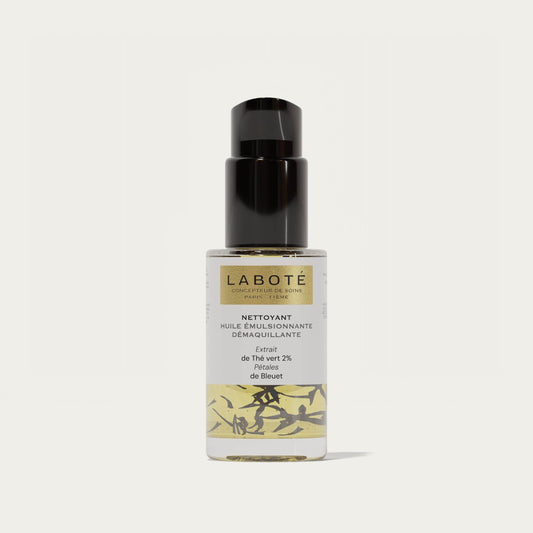
  • In the evening, opt for our Cleansing Oil Makeup Remover , which is infinitely more respectful of your microbiota than a foaming detergent or micellar water.

  • To hydrate your skin, apply a serum and a light cream enriched with vein-toning and vasoprotective ingredients . Ginkgo biloba, chamomile, and calendula are reliable choices for skin prone to rosacea.

Rosacea: symptoms and progression of the disease

The areas affected by rosacea can vary: the upper cheeks, the nose, and sometimes the area around the eyes. It is a chronic skin condition with four stages. However, some people remain in a mild stage their entire lives. Others progress abruptly to an inflammatory phase.

1. PRE-ROSACEA

This phase is characterized by redness (the well-known "flushes" or "erythematous hot flashes") in the nose and cheeks. These are often accompanied by a burning sensation and unpleasant tingling. It occurs intermittently before subsiding.

2. Vascular Rosacea

This is the stage of erythrosis, then couperose. The redness is now permanent and crisscrossed by small blood vessels. It sometimes presents as edema, with a slight swelling of the redness.

3. THE INFLAMMATORY PHASE

This is rosacea proper. In addition to the previous symptoms, papules and pustules appear across the entire mid-face area. The term "acne rosacea" is a misnomer. In reality, this phenomenon has nothing to do with acne, as the pilosebaceous follicles are not affected.

4. THE LATE PHASE

Called rhinophyma, this fourth stage is fortunately rare and mainly affects men. Chronic inflammation and enlargement of the sebaceous glands lead to a thickening of the skin around the nose.

Do you recognize yourself in these symptoms? If you'd like to know how to soothe this facial redness, we encourage you to make an appointment with a dermatologist as soon as possible. As a condition, rosacea requires more than just a suitable beauty routine.

What are the causes of this skin condition?

Rosacea develops under the influence of several physiological dysfunctions. Their origin remains quite mysterious to scientists. It is believed that they are largely determined by genetics.

  • Deficient vasomotor control.
  • A decrease in facial venous drainage.
  • An increase in angiogenesis.
  • A disruption of the microbial balance.

Finally, there are some significant aggravating factors. These include taking medications (topical and nasal corticosteroids, antiarrhythmics) and consuming high doses of vitamins B12 and B6.

What treatment is available to reduce severe facial redness?

For those suffering from rosacea who despair of finding a way to soothe the redness on their face, the solution lies in dermatology. However, it is essential to understand that, to date, there is no cure. The treatments offered are simply designed to improve your comfort and reduce the cosmetic impact.

  • Prevention: Flushing, erythrosis, rosacea, and other severe facial redness require several daily precautions. It is particularly essential to protect yourself from the sun with SPF and to avoid potentially irritating ingredients in your cosmetics.

  • Drug treatments: if they prove necessary, they will be prescribed to you following a diagnosis by a dermatologist.

  • Vascular laser: over one or more sessions, it helps to reduce the red coloration of the skin and the appearance of varicose veins.