What is collagen used for? What is the best form of collagen? When is the best time of day to take collagen? Many of you have asked us about this trend. Because your skin is our daily concern, we're telling you more about the current skincare trend.
We naturally produce collagen in several parts of our body: the skin, but also cartilage, tendons and ligaments, and connective tissues. This amino acid makes up 30% of our body's total protein!
Our skin is composed of 75% collagen. Over time, the face gradually loses elasticity, tone, and firmness; wrinkles deepen, and signs of aging appear. Collagen helps maintain hydration, restores bounce to the skin by retaining water, combats signs of aging thanks to its antioxidant and free radical-fighting properties, and ensures tone and firmness through its regenerative capacity. Collagen is also a major component of our joints, ensuring cohesion and elasticity. However, over time, its production decreases and can lead to cartilage degradation and osteoarthritis.
Collagen is also a major component of our bone renewal. It allows minerals, such as calcium and phosphorus, to be fixed in tissues and therefore helps to combat the onset and progression of osteoporosis in menopausal women. Collagen is also present in our digestive system, as it helps to support and strengthen the protective lining of the intestines.
How is collagen made?
Did you know that the word collagen comes from the Greek word "kolla," meaning "glue"? In the skin, this protein is produced by fibroblasts (the cells in the dermis that provide structure to the skin) and acts as a natural bond between the dermis and the epidermis. If our skin lacks collagen, cracks appear, forming wrinkles and fine lines.
To synthesize collagen, our body needs two amino acids: glycine and proline. They combine to form procollagen, which, in association with vitamin C, will become collagen.
How to boost collagen naturally?
TAKE UP SELF-MASSAGE
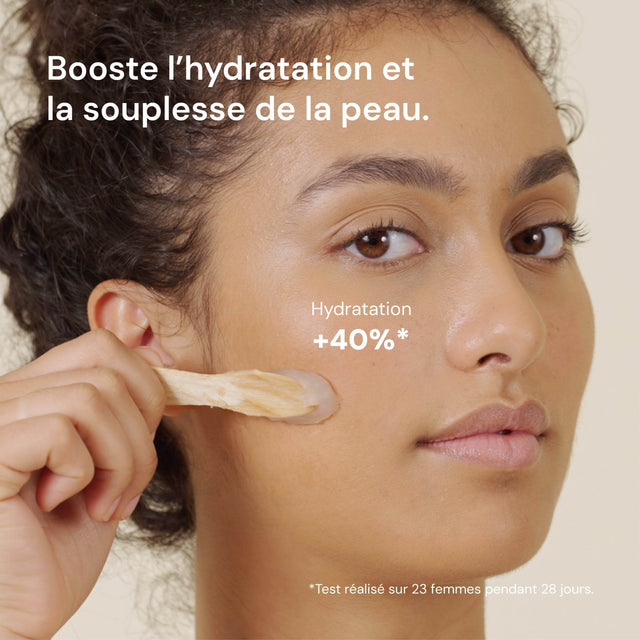
A 10-minute daily facial massage promotes collagen production by stimulating microcirculation and working the facial muscles. This helps restore smooth, plump skin. But don't expect miracles; consistency is key to real results!
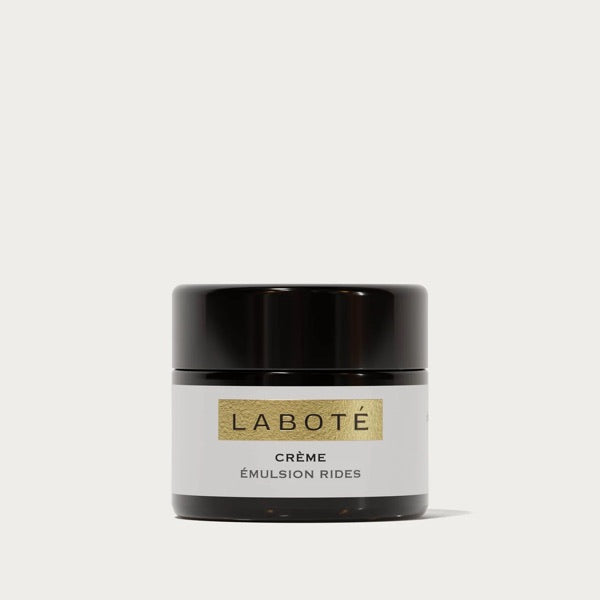
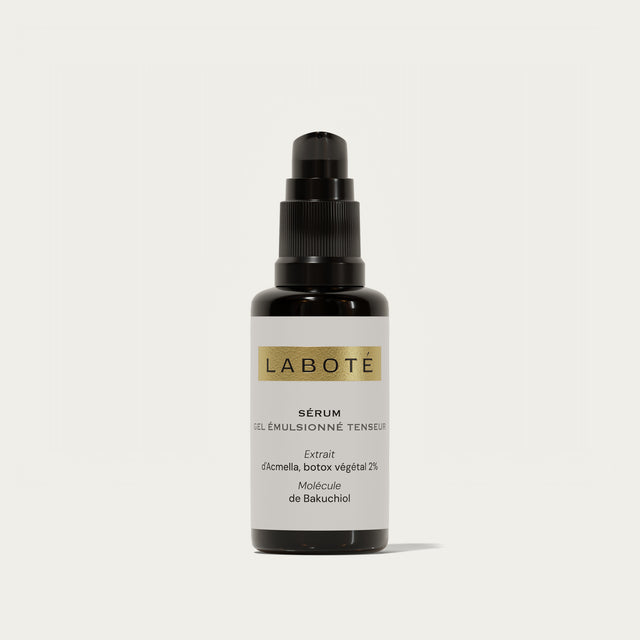
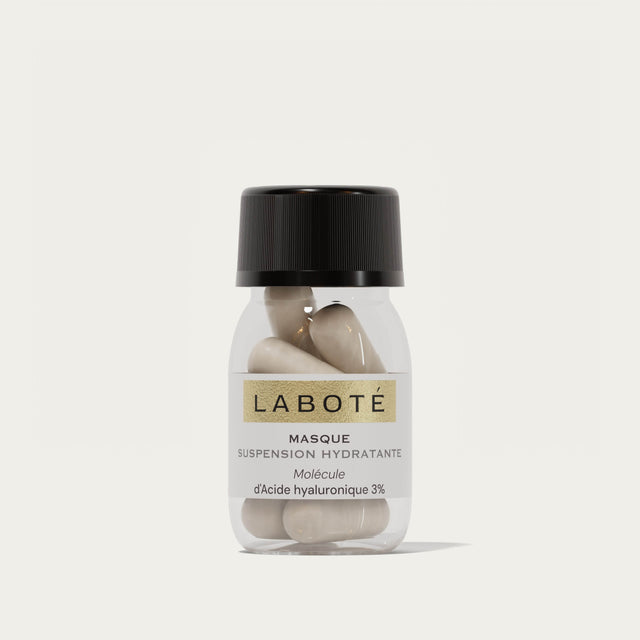
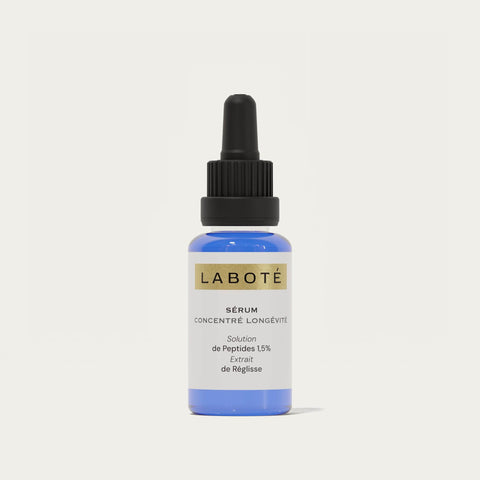
During this beauty ritual, don't forget to apply your Laboté Anti-Wrinkle Cream or Firming Serum for optimal results. Then, complete your routine with our High Molecular Weight Hyaluronic Acid Hydrating Mask .
What foods can naturally boost collagen production?
To boost your collagen levels through diet, here are some foods to include in your meals:
Animal products, especially gelatinous parts and bones, naturally contain collagen. Now's the time to try your hand at Grandma's pot-au-feu recipe and stop leaving the chicken or salmon skin on the side of the plate. Fish bone broth and seafood are also great alternatives, as are eggs.
Foods rich in vitamin C help boost collagen synthesis. Include citrus fruits, kiwis, guavas, pineapples, and blackcurrants in your diet, as well as fresh parsley and thyme, dill, red bell peppers, horseradish, broccoli, kale, and sundried tomatoes. Vitamin C is very fragile and does not withstand cooking. It is also sensitive to heat and light. At room temperature, half the vitamin C in an orange disappears within 24 hours. Consume foods that are very fresh and preferably raw, or opt for gentle steaming. Did you know: The acerola we use in our cosmetics is 25 times richer in vitamin C than an orange!
Foods rich in proline and glycine: You are unlikely to be deficient in these two amino acids, which are found in many foods: meat, fish and shellfish, fresh cheese, eggs, but also peas, cabbage, dried beans, carrots, asparagus, mushrooms, and cucumbers. Good plant-based sources of glycine include spirulina, seeds (sunflower, pumpkin), tofu, and wheat germ.
Phytoestrogens (estrogens of plant origin) also impact collagen production and wound healing, and protect the skin against the harmful effects of UV rays. Tofu, soybeans, flax seeds, sesame seeds, as well as tempeh and edamame, contain plant estrogens. However, be careful not to overconsume them, especially if you have a history of hormone-dependent cancers.
Which type of collagen is the most effective?
While diet is the best source of natural collagen, supplementation can be a valuable alternative for an extra boost. Numerous studies have explored this topic and demonstrated the benefits of oral collagen supplements in improving signs of aging and dry skin after just eight weeks! To achieve similar results through diet alone, you would need to consume 10g of collagen per day, which is equivalent to 140g of bone marrow or bone broth daily… This helps explain why supplementation is such a compelling alternative.
Finally, also remember to check the origin of the components and opt for French laboratory brands whenever possible.
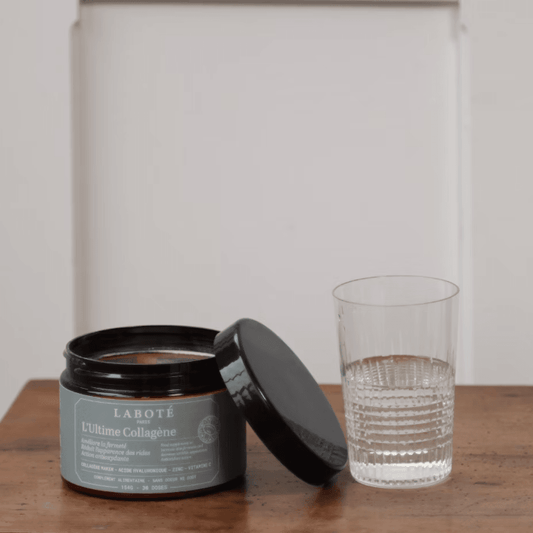
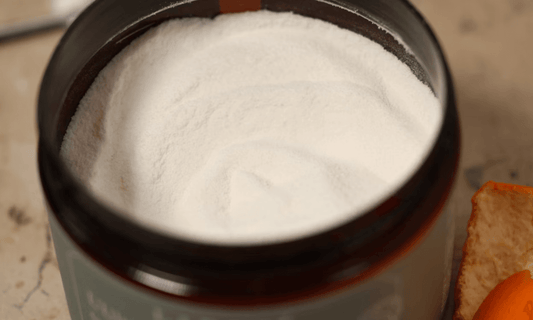
At Laboté, we opted for the powder form, allowing us to offer a greater quantity of collagen.
Our experts have chosen to combine collagen with other active ingredients to increase its effectiveness in the skin and its assimilation by the tissues:
Hydrolyzed marine type I collagen prevents the appearance of wrinkles and contributes to the firmness of your skin.
Vitamin C is necessary for collagen synthesis and boosts the immune system.
Hyaluronic acid prevents the appearance of wrinkles and hydrates the skin.
Zinc promotes cell regeneration.
We chose marine collagen of type 1 and size 2000 DA, that is to say, cut into smaller size allowing better assimilation by the body.
A clinical study conducted by dermatologists in Nice on 60 women demonstrated that taking 5g of collagen per day for 8 weeks resulted in an 11% reduction in wrinkles, particularly around the eyes, and a 20% increase in firmness.
What precautions should we take to pamper our collagen on a daily basis?
Diet can also significantly impair our ability to naturally produce collagen, particularly sugar consumption. The glycation process leads to collagen stiffening and a loss of elasticity when collagen protein comes into contact with sugar (protein + sugar = glycation). This process disrupts skin tissue: collagen fibers break down, forming wrinkles and fine lines. The skin becomes more uneven and the complexion less uniform.
It is essential to have a proper anti-aging skincare routine, and to apply the appropriate products daily.
Also apply sunscreen as soon as the first rays appear, to avoid oxidative stress and the formation of free radicals that degrade collagen.
Smoking damages skin quality by reducing the synthesis of elastin and collagen. Cut down, or better yet, add quitting smoking to your list of New Year's resolutions.
Alcohol produces enzymes that break down collagen and elastin. Obviously, the idea isn't to cut yourself off from social life, but rather to limit your consumption to prevent collagen degradation. You can opt for non-alcoholic drinks, such as fruit kefir, a lightly sparkling beverage that also benefits your gut microbiome by providing natural probiotics. You can even make it yourself very easily; all you need to do is find a donor of kefir grains, as tradition dictates!
Comment choisir le bon complément alimentaire au collagène ? Premier complément alimentaire au collagène marin : Le Complément - collagène hydrolysé. Sans odeur, ni goût.
Découvrez le pouvoir du collagène avec "L'Ultime Collagène". Enrichi en collagène marin, vitamine C, acide hyaluronique et zinc, il réduit les rides et améliore la fermeté
Lire l’article
1 / of2
Choosing a selection results in a full page refresh.