Sun care FAQ: Our experts share the beauty tips to adopt

As the warmer weather begins, we very often hear the same questions come up in consultations. We have prepared a summary.
The sun is often described as an enemy of the skin. It can indeed burn it (the infamous sunburn) or accelerate its aging. We often forget, however, that we need the sun to produce vitamin D, for example (half of the French population is deficient).

THEMES
Tips/Tricks • Concerns • FAQ

Sun exposure: what happens to the skin?

  • When it comes to what is called "normal" sun exposure—that is, reasonable and measured exposure—the impacts are varied. You might observe slight dehydration of the skin, a slight thickening of the skin in reaction to exposure, and finally, the production of melanin, a protective pigment. Your body will also produce vitamin D, which helps strengthen bones. Therefore, measured and moderate sun exposure has positive effects on the skin, which is actually naturally "equipped" to react to this exposure.

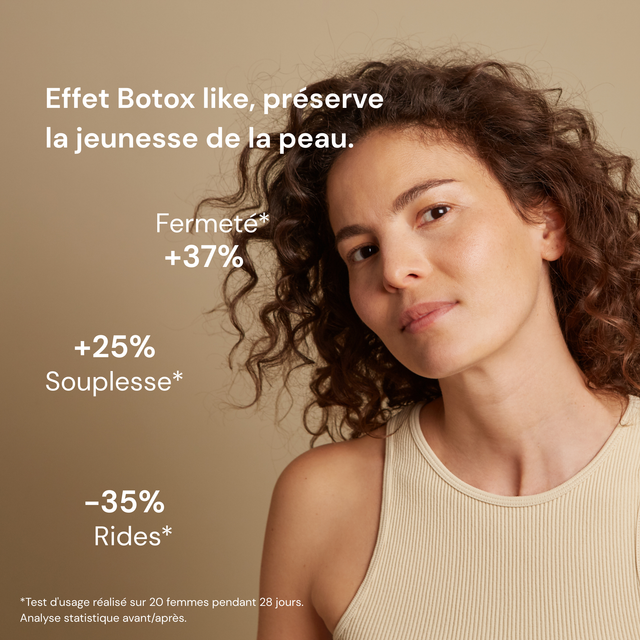
  • In the long term, excessive sun exposure will affect skin aging: the skin will show signs of aging more easily, particularly in areas where we have expression lines, and hyperpigmentation spots may also appear. Free radicals penetrate deep into the skin and destroy collagen, elastin, and supporting fibers. This is why the skin is more prone to sagging. It is possible to prevent these effects with suitable products, particularly those containing powerful antioxidants.

In cosmetics, we can support sun exposure through skincare by focusing on hydration and preventing the effects of skin aging. When exposed to the sun, it is necessary and recommended to use protective sunscreens containing SPF (Sun Protection Factor), which will prevent sunburn and limit the penetration of free radicals into the skin. It is therefore advisable to address these two aspects for a dual action and perfect complementarity.

At Laboté we do not sell sunscreen products but we can advise you based on your skin type, feel free to ask us via chat or book a video appointment.

Question 1. Should the décolletage be protected from the sun? More than other areas?

No matter how old we are, 30 years old, more or less, the protection of the décolleté is considered in the same way because it is a very exposed area just like the forehead, the top of the cheekbones and the tip of the nose.

  • When sun exposure is moderate and sensible, especially with the first rays of sunshine, sunscreen isn't always necessary. However, it's essential to keep your skin well-hydrated with appropriate skincare products.

  • When sun exposure is more intense, such as during the summer months, it is necessary to use specific sun protection. Several SPF levels exist. At Laboté, we recommend two that are generally suitable for different skin types:
    - SPF 50 when you have fair skin, when your skin is not yet used to the sun, or when you have sensitive or even very sensitive skin.
    - SPF 30 when you already have dark skin, tan quickly and/or are already used to the sun.

In general, we always advise starting with the highest index in order to provide strong protection to your body while it gets used to the sun and produces melanin which will help it protect itself naturally.

Question 2. What should we do if we have imperfections?

When you have acne, the sun can be a false friend. In fact, when exposed to the sun, the skin thickens slightly, which can give the impression that the acne is disappearing because the skin is temporarily smoother.

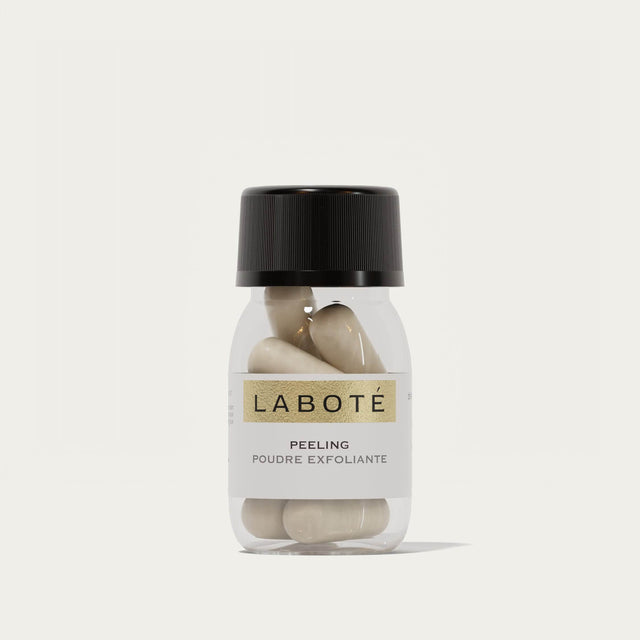
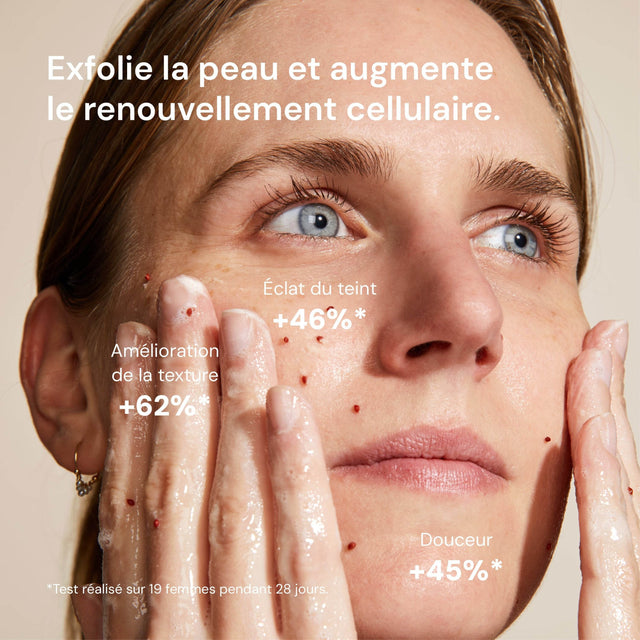
It's important to prepare for the after-sun effect by regularly exfoliating your skin gently. At Laboté, we offer a gentle yet powerful exfoliating powder peel thanks to its active ingredients derived from Hibiscus Sabdariffa flowers. This treatment helps to reduce skin thickening and therefore the "camouflage" of imperfections. We recommend one to two peels per week, depending on your skin type, in the evening after sun exposure. Then, alternate this with a specific mask each week (hydrating, purifying, soothing, etc.).

In addition, it's necessary to use targeted treatments to effectively address blemishes. In this case, we recommend our Purifying Targeted Treatment , to be applied to blemishes in the evening until they disappear completely.

Summer formulas, packed with vitamin C

Question 3. Do we get spots after sun exposure?

Those small, red, itchy bumps just above the skin aren't blemishes but an allergic reaction to the sun (also called polymorphic light eruption). I advise you to stop all sun exposure and increase your sun protection. You can also take dietary supplements or antihistamines, as advised by your pharmacist or doctor.

Question 4. Can essential oils be continued during sun exposure?

I strongly advise against applying essential oils just before sun exposure, as many of them are photosensitizing. This can lead to the appearance of dark spots on your skin. Therefore, I recommend avoiding perfumed daytime skincare products during the summer months (our natural perfumes contain essential oils).

The skincare products applied in the evening are, however, safe. I like to recommend the Targeted Repairing Treatment during the summer. For example, when you've gotten sunburned and your skin starts to peel, applying this oil is a good habit to have because its action will really repair the skin locally. The Targeted Anti-Dark Spot Treatment with Immortelle, on the other hand, is essential for preventing and correcting hyperpigmented areas.

Question 5. How can we protect dark skin from the sun?

Some people believe that dark skin cannot get sunburned, and this is completely false. Dark skin does get sunburned and therefore needs sun protection just like lighter skin.

It's possible to start with SPF 50 if your skin is sensitive to the sun and not yet accustomed to sun exposure. If your skin is less sensitive, you can opt for SPF 30.

The key is to accurately determine each person's skin needs through our skin assessment, and then offer you perfectly tailored and therefore effective treatments.

Question 6. How to choose your SPF?

In terms of sun protection, there are 2 main categories:

  • SPF products like sunscreen creams or sun oils are formulated with mineral filters. These are natural filters that are good for the environment. We therefore recommend choosing brands with mineral filters, which are also better tolerated by the skin. We have already tested the Laboratoire Biarritz brand and we really like it.

  • The other category concerns sunscreens that use chemical filters, which are very difficult to eliminate from the environment. We advise against their use, as they have a negative impact on our environment.

Regarding their use, it is perfectly possible to differentiate your treatments between the body and the face.

  • For the body, we recommend opting for a nourishing action.
  • For the face, we advise you to avoid products containing comedogenic ingredients.
  • In addition, there are makeup ranges that include an SPF rating. We also recommend choosing loose powders that allow the skin to breathe, a very important factor, especially for sensitive skin.

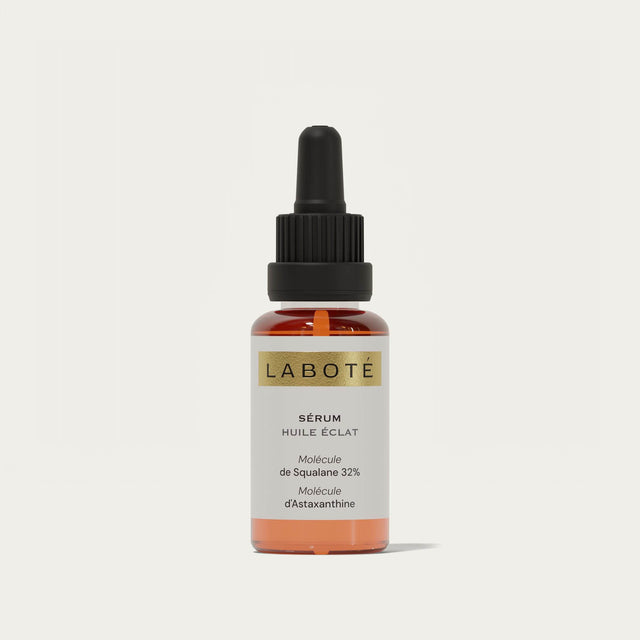
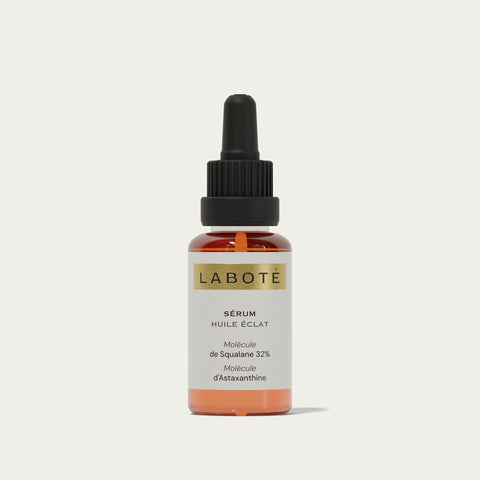
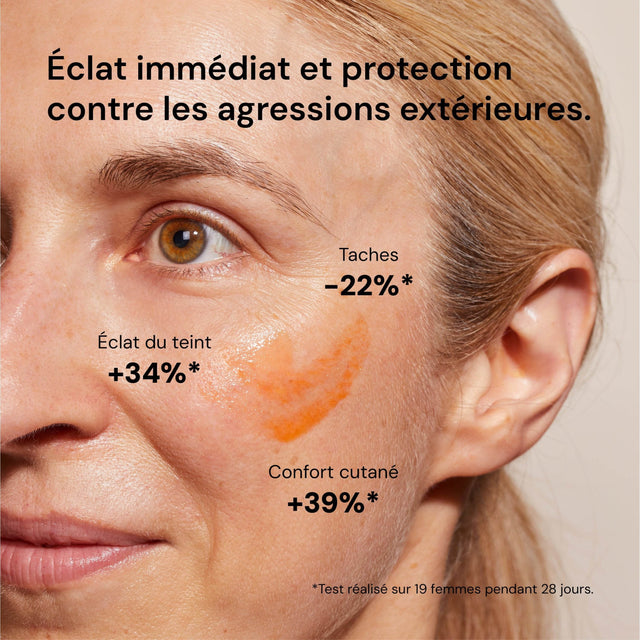
Finally, for the first rays of sunshine when you're not in the sun too intensely, good hydration may be enough. In this case, we recommend using our Radiance Oil Serum in addition to your day cream, which, besides deeply hydrating, has an antioxidant effect.

Question 7. Can we have a peel after sun exposure? If so, how often?

Absolutely. In fact, we recommend using a peel like our Exfoliating Powder Peel regularly, as this will prevent excessive skin thickening and, most importantly, ensure an even tan if you're sunbathing. All this while promoting cell renewal.

Regarding frequency, this will depend on your skin type and the type of peel used. Our experts offer personalized consultations via video conference to provide you with tailored advice based on your skin's needs.

Question 8. For the body, are specific products necessary?

During the summer months, the body needs more hydration and more antioxidants. UV free radicals damage skin fibers. I recommend a body formula that addresses all these factors.