
June 28, 2023 • 4-minute read • Author: Laura Bonnot
Vitamin C applied to the skin is packed with benefits. Anti-aging, depigmenting, and brightening, it offers unparalleled effectiveness when used correctly. Discover how a vitamin C day cream or face serum can radically transform your skin.
What we call vitamin C is actually ascorbic acid. It is naturally present in many fruits and vegetables, such as citrus fruits, peppers, kiwis, and broccoli.
Applying vitamin C to the skin is the best way to harness its full potential. It is through skin contact, rather than oral administration, that it offers the most significant bioavailability. However, its inclusion in cosmetics must be rigorously controlled.
Like all acids, the ascorbic acid in a vitamin C face serum or cream can be irritating if the concentration is incorrect. This is especially true for dry, dehydrated, or sensitive skin, which reacts poorly to acidic pH levels.
Vitamin C is most effective in its natural form (L-ascorbic acid). However, it is very unstable once mixed with water and therefore risks rapidly losing its activity in a cosmetic preparation. This characteristic requires some adjustments to the formulation to ensure your vitamin C cream retains its properties after opening.
If all the necessary conditions for its cosmetic integration are met, it offers spectacular results in preventing skin aging and evening out skin tone.
Vitamin C: your anti-aging ally
Vitamin C is an essential ingredient in your anti-aging protection. And for good reason: it's one of the best antioxidants on the market. In other words, it can neutralize molecules called "free radicals" that cause cell damage. Naturally present in the body, their population can increase under the influence of several factors (tobacco, UV rays, pollution, etc.). When there are too many, they trigger chain reactions, more commonly known as "oxidative stress," which are responsible for premature aging.
Therefore, using a vitamin C cream on your skin will have the following effects, among others:
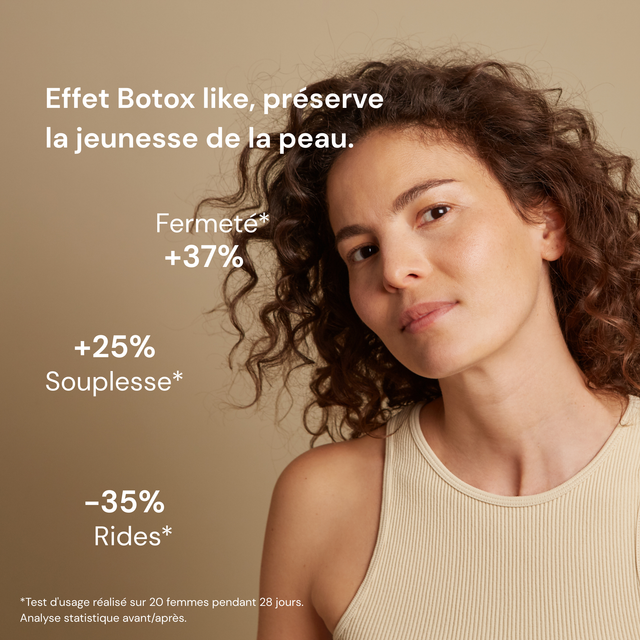
to improve the structure of the dermis, which tends to sag with age, by stimulating the activity of fibroblasts (the cells that synthesize collagen and elastin, two proteins involved in maintaining the elasticity and tone of the skin).
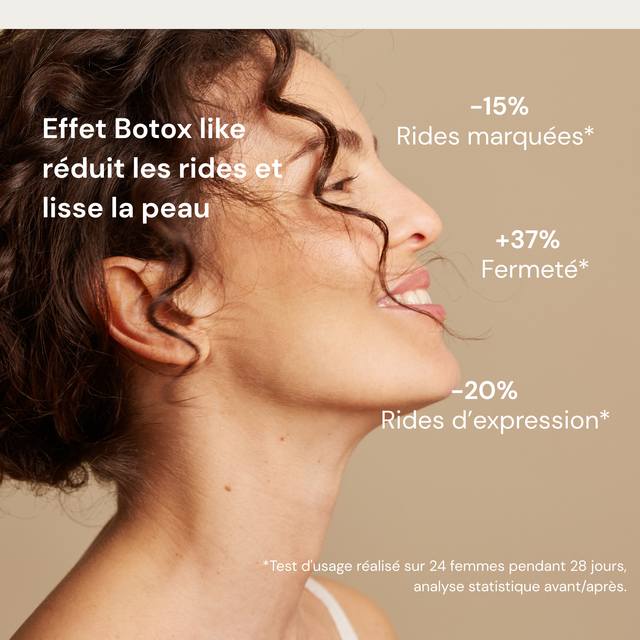
to prevent the appearance of wrinkles and fine lines and to reduce the appearance of those already present thanks to its plumping and firming action.
Vitamin C to prevent dark spots
The antioxidant profile of ascorbic acid also offers numerous benefits in cases of hyperpigmentation. It has the ability to inhibit the oxidation of tyrosine (an enzyme essential for melanin synthesis) and, consequently, slow down melanogenesis. This biological process is precisely what determines your skin color and tan.
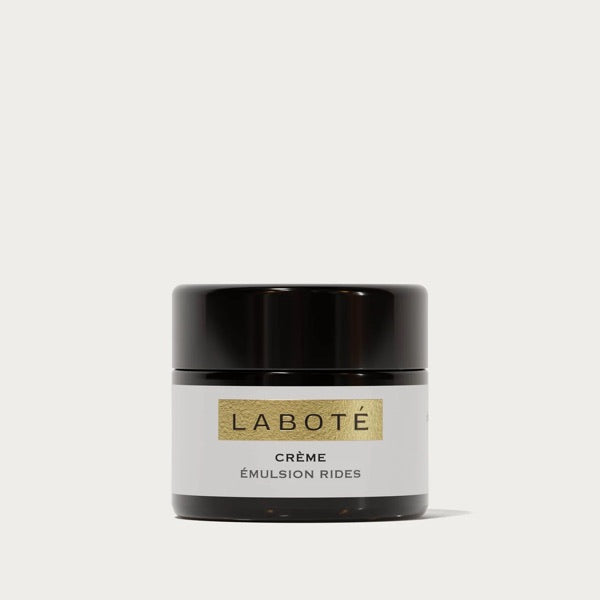
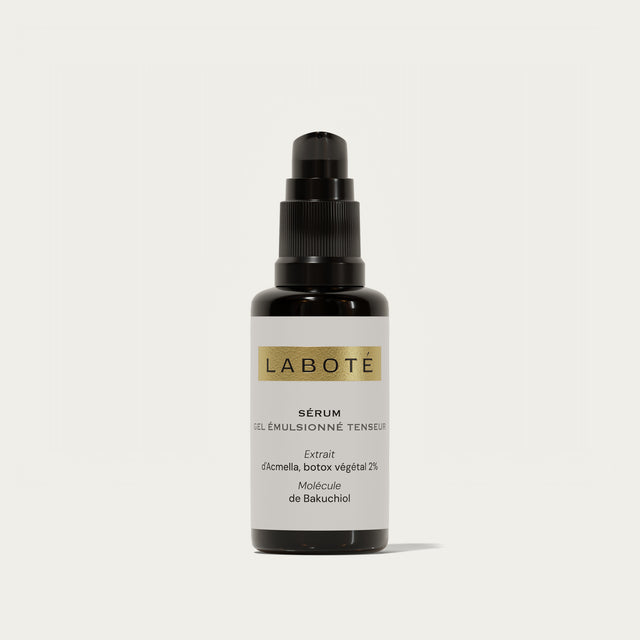
Using a vitamin C cream such as our Anti-Wrinkle Cream or a vitamin C serum such as our Firming Serum on the skin is therefore very effective for:
to brighten the complexion and blur acne scars thanks to its depigmenting properties (in Asia, it is present in high doses in many whitening creams)
combating brown spots caused by sun exposure or age, which lead to an uneven distribution of melanin and promote localized hyperpigmentation
to fade the appearance of a pregnancy mask, also called melasma
A natural ingredient to boost the radiance of the complexion
Vitamin C, applied to the skin in the form of a vitamin C face cream or an aqueous serum, is your best ally for reviving your complexion's radiance. And this is true regardless of your age or skin type! Its ability to stimulate the renewal of keratinocytes (the cells of your epidermis) allows you to achieve a "new skin" and banish a dull complexion in record time.
We encourage you to consider ascorbic acid treatments if you wish to:
smooth your skin texture
improve the evenness of your complexion
brighten your complexion, especially if you smoke
When should you take a course of vitamin C on your skin?
Depending on your skin type, we recommend limiting the use of vitamin C to a treatment period of a few weeks to several months. Combination to oily skin, for example, can tolerate daily use for up to six months. If you have sensitive skin, reduce the duration of treatment and opt for a cream, which is less concentrated than a serum. During periods of stress, consider combining topical application with oral intake.
DURING TIMES OF STRESS
Psychological stress and oxidative stress are closely linked, with the former often triggering the latter. During exams or demanding periods at work, a vitamin C face cream combined with dietary supplements will limit damage to your skin. It's worth noting that ascorbic acid also acts as a natural antidepressant (though it is not intended to replace medical treatment).
IN CASE OF EXPOSURE TO THE SUN
The sun produces free radicals that damage your skin. In fact, sunburn is simply a manifestation of oxidative stress! To prevent damage to your skin, it's essential to start a course of vitamin C before or during the summer season.
DURING POLLUTION PEAKS
Using a vitamin C serum on your skin is particularly recommended for city dwellers. Daily exposure to pollution is a significant source of oxidative stress. A course of ascorbic acid will help protect your skin from premature aging and oxygenate your cells. The result: fresh, radiant skin.
Comprendre les effets de l'exposition au soleil sur la peau. Soins enrichis en vitamine C. Les bons gestes pour protéger la peu du soleil. Routine de soins à appliquer au soleil.
Comprendre les facteurs perturbateurs lié à l'environnement. Conseils pour protéger la barrière cutanée. Impact du style de vie sur la peau. L'effet de la pollution sur la peau.

Lire l’article
1 / of2
Choosing a selection results in a full page refresh.