Comprendre la ménopause
LA MÉNOPAUSE, UN BOULEVERSEMENT HORMONAL PROGRESSIF
Le bouleversement hormonal qui conduit à la ménopause ne se fait pas du jour au lendemain, mais selon un mécanisme qui dure plusieurs années, et qui commence avec une phase de pré ménopause, vers l’âge de 40 ans.
Pendant cette phase de pré ménopause, on assiste à une diminution de la production d’oestrogènes par les ovaires. Les cycles menstruels vont devenir irréguliers, ils vont s’allonger ou se raccourcir.
On appelle péri-ménopause la période qui correspond à un arrêt des règles pendant 12 mois. Puis, à l’issue de ces 12 mois, on parlera alors de ménopause.
Lorsque la ménopause survient avant l’âge de 40 ans, elle est alors considérée comme une ménopause précoce.
D’un point de vue physiologique, la ménopause se traduit par une absence de libération d’ovules par les ovaires et une nette réduction de la synthèse des deux hormones symboles de la féminité : oestrogènes et progestérone.
LES SYMPTÔMES DE LA MÉNOPAUSE
Dès la pré ménopause, apparaissent des signes, parfois appelés “syndrome climatérique”.
Outre les redoutées bouffées de chaleur, les symptômes de la ménopause peuvent se manifester par une prise de poids, des douleurs au niveau des seins, des problèmes de sécheresse vaginale, des troubles sexuels, des troubles de l’humeur, des problèmes veineux ou lymphatiques, des troubles des phanères (ongles cassants, chutes de cheveux)…
A plus long terme, certaines femmes peuvent être sujettes à une perte osseuse et/ou à des troubles cardiaques.
Mais les troubles qui nous concernent plus particulièrement sont les troubles au niveau de la peau.
Les effets de la ménopause sur la peau
PERTE D'HYDRATATION ET RELÂCHEMENT DE LA PEAU
Quels sont les principaux coupables du vieillissement accéléré de la peau au moment de la ménopause ? Pourquoi assiste-t-on à une déshydratation et à un relâchement cutané ?
Les hormones sexuelles féminines, oestrogènes et progestérone, sont les principaux acteurs du vieillissement cutané.
Ainsi, les oestrogènes ont notamment pour effet de stimuler la production de collagène et d’élastine, protéines responsables du maintien et de la souplesse de la peau. Les oestrogènes vont aussi booster la synthèse d’acide hyaluronique. Quant à la progestérone, elle agit sur la production de sébum, elle permet de retenir l’eau au niveau de la peau et va donc favoriser son éclat et son élasticité.
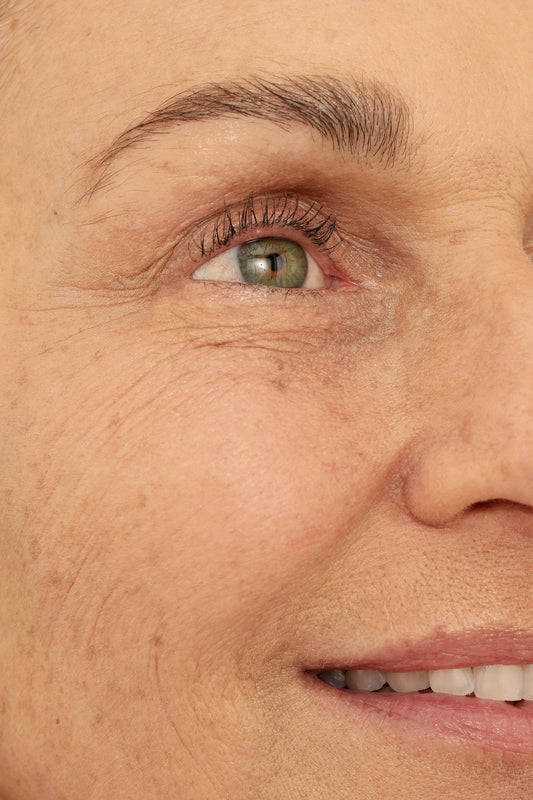
Quand le taux d’oestrogènes et de progestérone est correct, la peau est parfaitement hydratée, ce qui donne un teint frais, éclatant. Mais quand leur taux chute, comme au moment de la ménopause, la peau devient alors plus fine, plus sèche, elle va perdre en fermeté… et les rides apparaissent.
Des taches pigmentaires peuvent aussi se former à cette période de la vie.
PROBLÈMES DE PEAU LIÉS À LA MÉNOPAUSE
Certaines femmes peuvent, au-delà de la sécheresse de la peau et de la perte de fermeté, être sujettes à d’autres symptômes indésirables.
Ainsi, pour compenser le dérèglement hormonal lié à la chute d’oestrogènes et de progestérone, l’organisme va augmenter la production de cortisol, connu comme étant l’hormone du stress, mais qui a aussi pour effet de booster la synthèse de sébum. S’ensuivent alors des désagréments tels que pores bouchés, apparition de points noirs et/ou de boutons d’acné (sur le visage et le corps). Il s’agit d’une forme d’acné hormonale.
De même, du fait de la chute des hormones féminines, les hormones masculines comme les androgènes se trouvent surreprésentés, ce qui peut avoir pour effet notamment l’apparition d’impuretés au niveau de la peau.
Par ailleurs, sans que cela n’ait forcément un lien avec la ménopause, certaines femmes peuvent être confrontées, à partir de l’âge de 45 ans, à de la couperose ou à de l’acné rosacée.
La couperose est une maladie chronique inflammatoire, qui touche les petits vaisseaux du visage. Sont en cause une hyperréactivité des vaisseaux sanguins ou des prédispositions génétiques.
L’acné rosacée touche plutôt les femmes au teint clair. Elle se manifeste dans un premier temps par des rougeurs, qui peuvent être suivies d’un érythème et de boutons.
Pour les femmes sujettes à des problèmes de peau au moment de la ménopause, il existe des solutions, en externe et en interne, qui peuvent leur permettre de traverser cette période sereinement.
Prendre soin d’une peau mature
UNE ROUTINE BEAUTÉ ADAPTÉE AUX PEAUX MATURES
Les produits à intégrer à sa routine :
Il est important d’agir en prévention et de choisir des produits et actifs qui vont avoir pour effet d’hydrater la peau, de lui redonner de la fermeté, d’agir sur la micro circulation, tout en respectant le film hydrolipidique, dont l’un des rôles est de nous protéger des agressions extérieures.
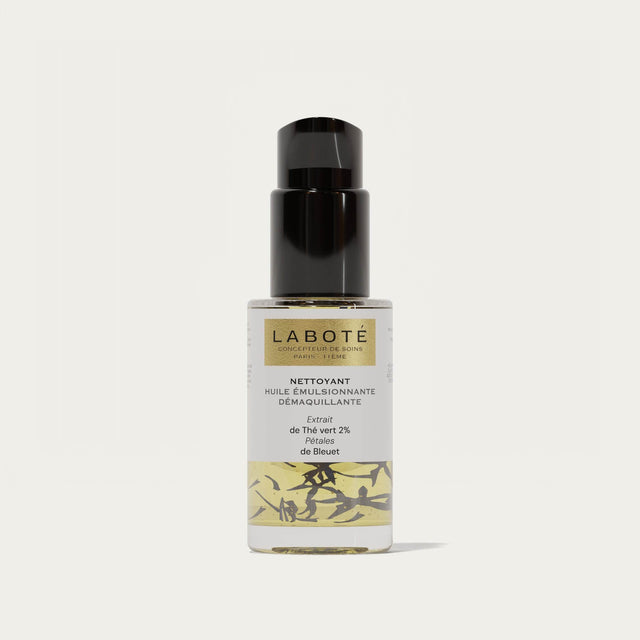
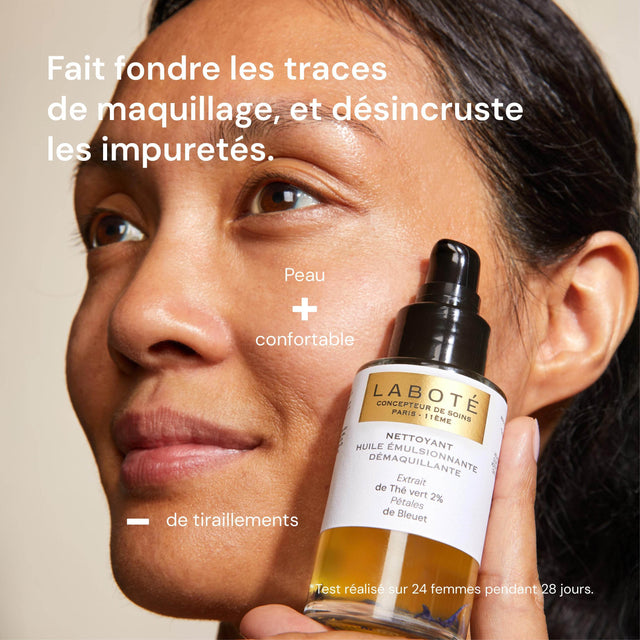
Premier geste indispensable : un nettoyage efficace mais en douceur ! Nous vous recommandons à cet effet chez Laboté notre huile nettoyante, à base de thé vert et d’huile de camélia, et dans laquelle sont intégrés soit des pétales de rose de Damas pour leur effet régénérant et tonifiant, soit les pétales de bleuet pour les peaux plus sensibles.
Pour hydrater et nourrir la peau, il convient d’appliquer crème de jour et crème de nuit. En outre, pour augmenter la nutrition de la peau et potentialiser les effets des actifs, il est recommandé de compléter la crème de jour par un sérum, qui sera appliqué avant celle-ci.
Les actifs à privilégier :
Parmi les actifs proposés pour rééquilibrer les peaux matures, chez Laboté nous conseillons dans nos protocoles :
- l’aloé vera pour son action sur l’hydratation
- la centella asiatica, qui va booster la synthèse de collagène
- le bakuchiol, rétinol végétal, qui a un effet anti-âge
- le ginkgo biloba, pour son action anti-oxydante et veinotonique
Pour compléter les soins quotidiens, des masques peuvent être appliqués une fois par semaine. Nous recommandons chez Laboté le masque hydratant à l’argile blanche et à l’acide hyaluronique ou le masque éclat à l’argile rouge et à la bromélaïne.
NOS CONSEILS NATURO BEAUTÉ
Les facteurs extérieurs majoritairement en cause dans le vieillissement prématuré de la peau sont nombreux : soleil, tabac, alcool, pollution, alimentation inadéquate, manque de sommeil, stress, manque d’activité physique…
Il est donc recommandé d’agir sur ces facteurs externes le plus tôt possible, pour préserver un teint éclatant ainsi qu’une peau ferme et hydratée.
Par ailleurs, il est indispensable de s’hydrater par l’intérieur en buvant 1,5 litres d’eau ou de tisanes chaque jour.
Il est en outre très important de veiller à la qualité de son alimentation en évitant les aliments pro-inflammatoires tels que le gluten, les produits laitiers, les sucres raffinés, la viande rouge. Il faudra privilégier une alimentation anti-inflammatoire : fruits et légumes de qualité bio en quantité, graisses de bonne qualité avec des apports en omégas 3 par l’intermédiaire des petits poissons gras (sardines, maquereaux, harengs) ou des graines de lin (broyées).
Les symptômes de la ménopause peuvent par ailleurs être atténués avec la phytothérapie. Il existe de nombreuses plantes qui vont agir avec un effet “hormone-like”, conduisant ainsi les organes concernés à fabriquer les hormones indispensables à l’organisme.
★★★★★
4.8/5 · 536 avis
Green Tea Extract 2%, Cornflower Petals
★★★★★
4.76/5 · 217 avis
Acerola extract 2% standardized in vitamin C, Bakuchiol molecule



 Le soin concerné
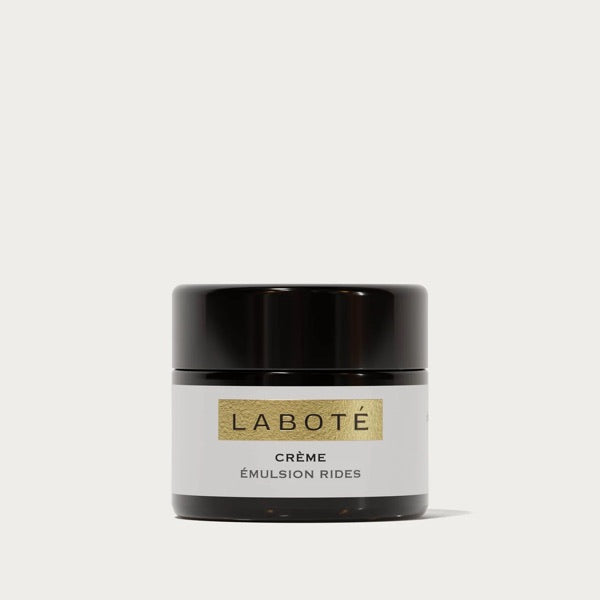
Wrinkle Emulsion Cream
Le soin concerné
Wrinkle Emulsion Cream