Hyaluronic acid or Botox injections

As cosmetic medicine becomes increasingly common, many of my clients ask for my opinion on hyaluronic acid or Botox injections. These non-invasive techniques are effective in preventing cellular aging and filling wrinkles. However, they must be performed by experienced professionals to avoid complications.

When should you consider hyaluronic acid injections? What results can you expect? How often are injections necessary? What are the side effects and risks? I'm sharing the advice I give my clients during consultations.

THEMES
Tips/Tricks • Care

What is hyaluronic acid?

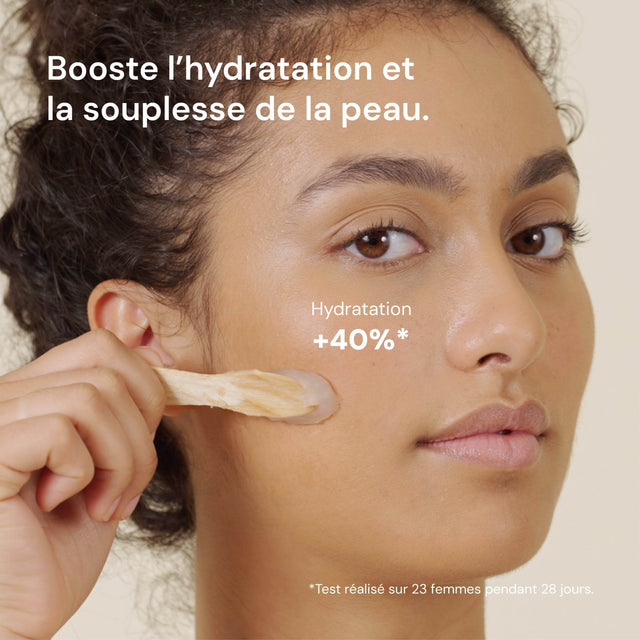
Naturally present in the dermis of the skin (the layer located just below the epidermis), hyaluronic acid is a hydrophilic proteoglycan (a large molecule with a high affinity for water molecules). In its raw, unhydrated state, it is a white powder and becomes a translucent gel upon contact with water. Hyaluronic acid is said to be able to hold up to a thousand times its weight in water.

What are the aesthetic and cosmetic properties of hyaluronic acid?

By binding to the surrounding water molecules, hyaluronic acid swells, increasing in volume and thus allowing the skin to be smoother, plumper, and better hydrated. This natural mechanism, which occurs in the dermis, is mimicked by cosmetics and aesthetic injections. When injections are performed, doctors fill wrinkles by injecting hyaluronic acid directly into the dermis. When using cosmetic products containing hyaluronic acid, the mechanism of action is the same, but it occurs in the epidermis, closer to the skin's surface. The effects are therefore much less visible, but hydration and plumping are still achieved.

What are the risks associated with hyaluronic acid injections?

As with any type of injection, small bruises or hematomas may appear at the injection sites. Sometimes, temporary swelling may also occur. In other cases, small, hard lumps (rare) may also appear. However, these reactions are not systematic; hyaluronic acid injections, when performed correctly, do not present any major risks, especially since the injected product is biodegradable and non-allergenic.

Things get complicated if you use unqualified professionals, such as those found on social media. If hyaluronic acid is injected in the "wrong place," the consequences can be very serious: blocked arteries supplying blood to the eye, the brain (leading to a stroke), or even microvessels, resulting in tissue necrosis. Furthermore, these "clandestine injectors" on social media do not have access to the same quality of hyaluronic acid as doctors. In France, only doctors can obtain hyaluronic acid, which is registered as a medication.

Botox and hyaluronic acid injections: what are the differences?

Hyaluronic acid is injected into the dermis to restore volume to the treated area. Botox (botulinum toxin), on the other hand, is injected into the muscle to block its contraction and thus reduce the formation of wrinkles. The areas injected are therefore not the same:

  • Forehead and crow's feet for Botox (never on the lower face, at the risk of no longer being able to smile...)
  • the rest of the face, particularly areas with pronounced wrinkles, volume loss, or deep under-eye circles, for hyaluronic acid

At what age should hyaluronic acid or Botox injections begin?

There is of course no age limit and above all no obligation!! Medical advice will always be paramount: if your cosmetic doctor or dermatologist considers your request for injection unnecessary or dangerous, then you must always follow their recommendations.

Some types of injections don't always have a "good reputation," such as lip injections among increasingly younger girls to conform to social media filter standards... However, when injections are done well, the result can be very natural, and the practice should not be demonized; it can be useful and interesting for those who wish to use it.

  • It is not widely known, but Botox injections are more of a preventative measure, to be carried out before hyaluronic acid injections which are corrective and filling injections.

  • Botox will be injected into expression lines and can be useful from the age of thirty to limit muscle contractions and the formation of deep wrinkles.

  • Both types of injection can be performed on the same face and during the same session; it is the areas that will change.

What is the cost of a session? Which doctors do I recommend in Paris?

The cost varies depending on the areas injected and the type of product used. Expect to pay between €150 and €400 per session, and the results can last from six months to a year. Beyond this period, your skin will not regress, rest assured! The hyaluronic acid will gradually decrease as it breaks down, and the muscles immobilized by the botulinum toxin will return to their normal function. In Paris, I recommend two professionals to my clients: Dr. Valerie Leduc and Dr. Nina Roos. It's always beneficial to consult several professionals to get multiple medical opinions.

How does cosmetics take over from these aesthetic and medical techniques?

In cosmetics, we can use the same types of molecules or natural analogues. The action is more on the surface, but the principle is quite similar:

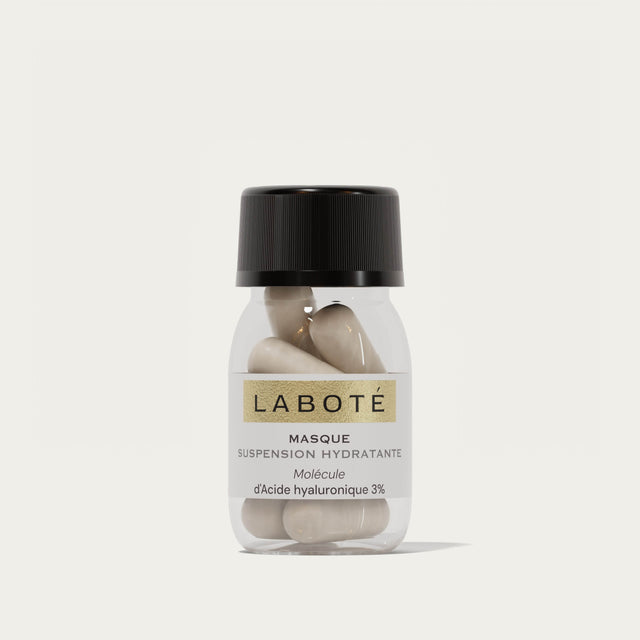
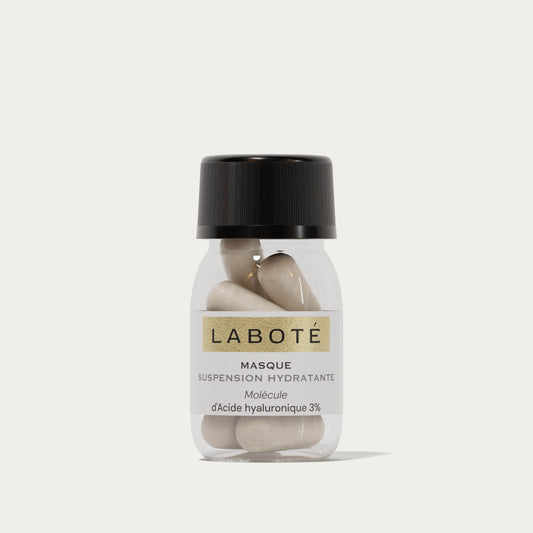
  • We work on facial hydration and volume using hyaluronic acids of different molecular weights.

  • The depth of wrinkles is limited with natural analogues of Botox (acmella) and the use of retinol or peels.
  • Garder une belle peau après la ménopause - Labote

    Maintaining beautiful skin after menopause

    Comprendre les transformations cutanées pendant la ménopause. Gérer ces changements hormonaux pour garder une belle peau. Les effets de la ménopause sur la peau.

1 of 2