Quel traitement contre l'acné hormonale chez l'adulte ?
Première étape pour lutter contre l'acné chez l'adulte : adopter une routine de soin adaptée qui favorisera équilibre cutané et cicatrisation. Voici les étapes d'une bonne routine anti acné selon nos Dr en Pharmacie :
LE NETTOYAGE DOUX ET ASSAINISSANT
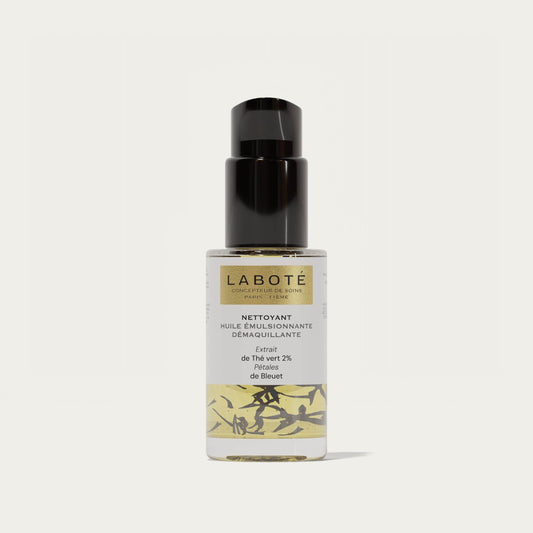
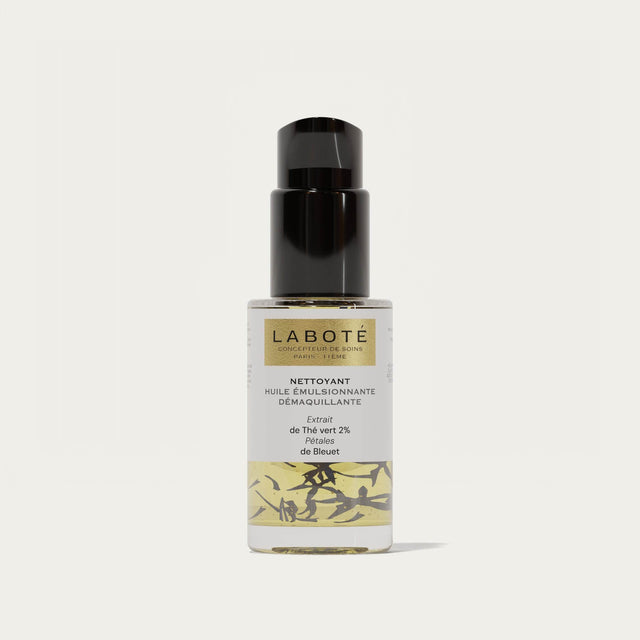
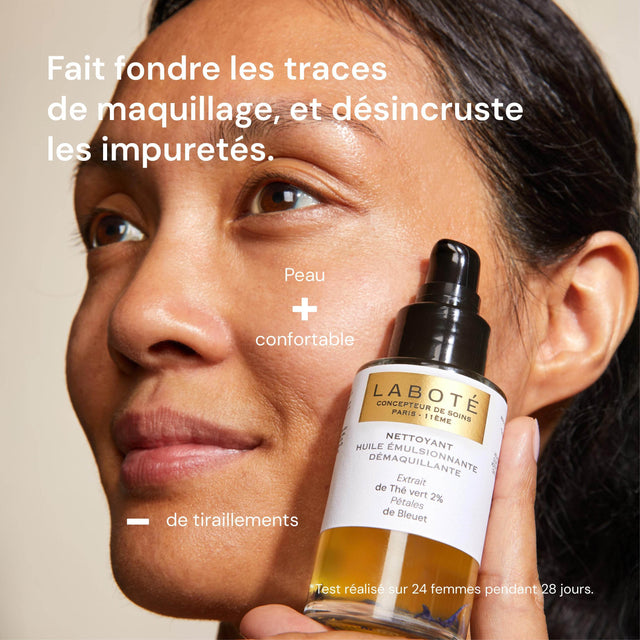
Un nettoyage quotidien suffit, afin de ne pas stimuler la production de sébum. Le soir, pour libérer votre peau des impuretés et de la pollution, utilisez le Nettoyant huile démaquillante Laboté. Au Thé vert et au Bleuet, sa double action nettoyante (huile puis lait) est à la fois purifiante et apaisante et ne laisse aucun résidu gras. Sa composition imitant le film hydrolipidique n'irrite pas la peau comme d'autres produits détergents (eaux micellaires, gels, savons, mousses …).
L’EXFOLIATION
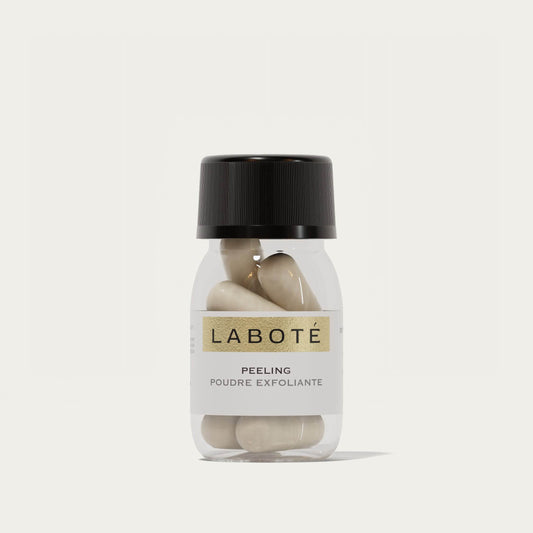
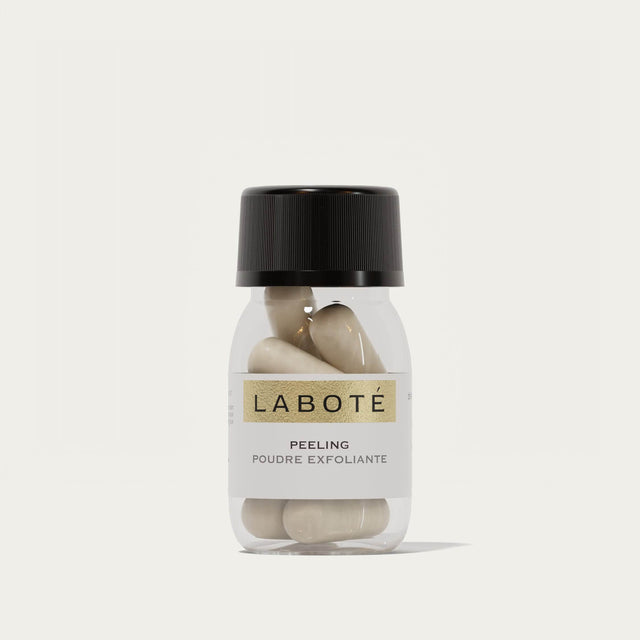
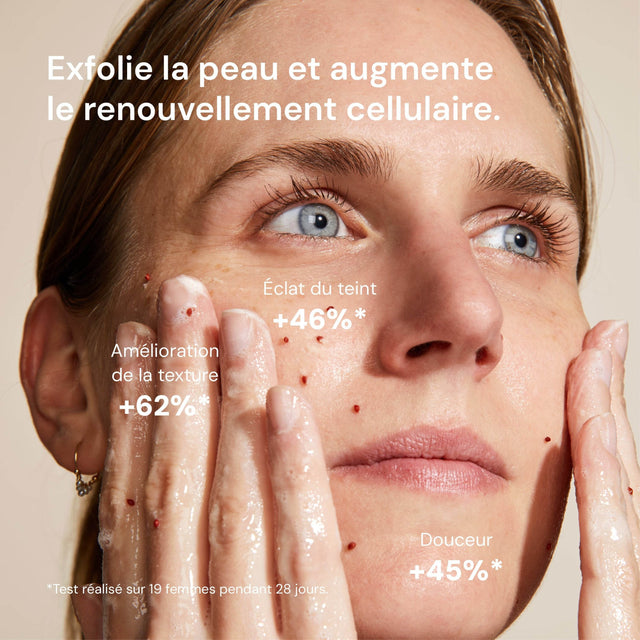
Une à deux fois par semaine, elle permet d’éviter la rétention de sébum en affinant la peau, et la prépare aussi à un soin éventuel chez un professionnel en vue de l’exérèse des comédons et microkystes. La peau de l’adulte est plus sensible que celle de l’adolescent, il est donc préférable d’éviter les produits type rétinol, ou ceux aux acides salicylique, acide glycolique ou AHA. Plus doux et tout aussi efficace, nous préconisons l’acide de fleur d’hibiscus dosé de 2 à 5 % présent dans notre Peeling poudre exfoliante.
LES SOINS LOCALISÉS
Pour une action ciblée directement sur les boutons d’acné quel que soit leur stade d’évolution (microbien, inflammatoire ou en cours de cicatrisation), nous recommandons le Soin ciblé purifiant à base de Tea Tree, Romarin à Verbenone, Geranium Rosat, et Lavande Officinale, en dilution dans une huile de Nigelle et/ou de Jojoba. A proscrire pendant une grossesse ou en cas d’allergie connue aux huiles essentielles.
LES SOINS QUOTIDIENS
Afin de lutter quotidiennement contre l'acné, appliquez chaque matin une crème de jour hydratante et séborégulatrice (découvrez notre formule peau lisse, spécialement créée pour les peaux sujettes à l'acné) et le soir, une crème qui stimulera le renouvellement cellulaire tout en agissant sur la production de sébum. Pour ces soins, les plantes à privilégier sont la Pensée sauvage, l'huile de Nigelle, le Thé vert.
★★★★★
4.8/5 · 536 avis
Green Tea Extract 2%, Cornflower Petals
★★★★★
4.85/5 · 260 avis
Hibiscus flower acid 5%, Cranberry seeds
Comment enlever les cicatrices d'acné ?
L’ajout de Centella asiatica dans votre routine quotidienne (incluse dans la formule peau lisse) permettra de stimuler en profondeur les fibroblastes de votre épiderme et la production de collagène, d’élastine et d’acide hyaluronique. Elle aidera votre peau à cicatriser, à se raffermir et à devenir plus lisse.
Nous recommandons aussi des associations d'huiles essentielles de Ciste ladanifère, d'Hélicryse, de Romarin à Verbénone et de Lavande Officinale aux propriétés régénérantes et purifiantes qui vont aider à réparer et renouveler les cellules en surface. Ce juste dosage d'huiles est présent dans notre soin réparateur pour le visage permettant une action ciblée et naturellement efficace contre les cicatrices.
La prise en charge dermatologique et médicale de l'acné hormonale
Pour une prise en charge plus poussée, nous vous suggérons d’effectuer un bilan hormonal chez un dermatologue ou chez un endocrinologue. Les résultats de ce bilan pourront peut-être conduire à un ajustement de pilule contraceptive pour celles qui la prennent et souffrent d'acné hormonale. Certaines s’avèrent plus efficaces dans le traitement de l’acné hormonale, mais toutes ne sont malheureusement pas remboursées.
Ce bilan pourra aussi donner lieu à la mise en place d’un traitement médicamenteux sur ordonnance, mais il faut savoir que le résultat n’est pas toujours probant et varie d'un individu à l'autre. Il pourra s’agir d’un traitement :
- Local : des crèmes à base de peroxyde de benzoyle, des rétinoïdes ou de l’erythromycine (mais qui présente des cas de résistance chez certains sujets)
- Oral : des cachets d’isotrétinoïne (le fameux Roaccutane) pour les acnés vraiment sévères. Toutefois les effets secondaires sont nombreux et sur une acné adulte, ce traitement n’est pas efficace à 100%.
- Combiné : un traitement local et un traitement par voie orale pourront être combinés, par exemple des antibiotiques, avec du zinc, et une hormonothérapie.
- Enfin, certains chercheurs et quelques dermatologues recommandent le Spironolactone, un stéroïde diurétique et hypotenseur dont les effets montreraient des résultats intéressants.

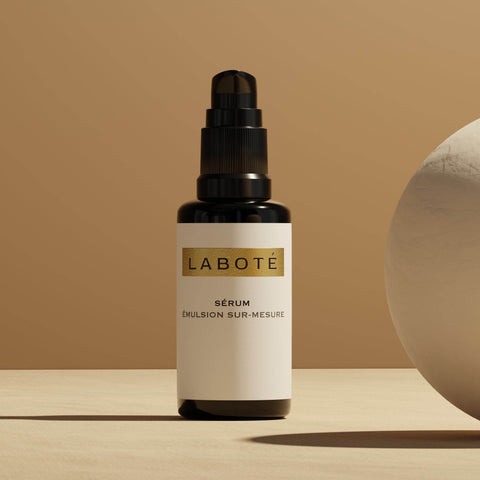

 Le soin concerné
Custom serum
Le soin concerné
Custom serum