
Atopic dermatitis and care: what is atopic skin?

Atopic dermatitis affects many people and can be difficult to live with on a daily basis, causing significant discomfort during severe eczema flare-ups. While there is no cure for atopic dermatitis, there are preventative and treatment methods to soothe and improve the skin, reducing the need for cortisone. The principle is based on avoiding eczema triggers and applying soothing skincare products. Discover our tips for taking care of your atopic skin.

THEMES
Concerns • Scientist

Atopic skin: definition of atopic dermatitis

Atopic skin, or more precisely, skin prone to atopic dermatitis, is a chronic dermatosis (skin inflammation) that worsens over the years. Atopic dermatitis is characterized by very dry and sensitive skin, particularly reactive to irritants. Furthermore, it is estimated that 40% of people with atopic dermatitis also have eczema. Atopic skin is also often associated with allergic rhinitis, asthma, and sometimes food allergies.

Atopic skin is caused by a genetic predisposition. A 2001 study* showed that a child with one parent affected by atopic dermatitis had a 30% chance of developing it as well. This figure rises to 70% if both parents are affected. Researchers also believe that an overactive immune system may be responsible for the inflammation observed in atopic skin.

Finally, there may also be an accentuation of the phenomenon linked to skincare habits: too frequent cleansing of the skin will dry it out more, as will the use of overly detergent products, which destabilize the skin ecosystem.

Recognizing atopic skin: symptoms

In atopic skin, the following symptoms may be observed:

  • Often dry skin
  • Itching of varying intensity
  • Occasional eczema flare-ups: dry or oozing red patches, depending on the form, with small water blisters or scabs.
  • Pronounced discomfort with sensations of pulling, irritation, and burning.

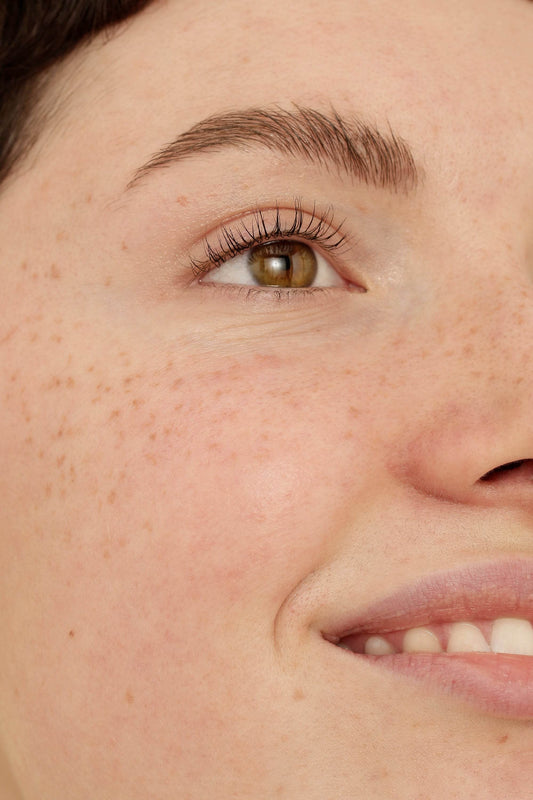
The patches caused by atopic dermatitis can appear on the cheeks, especially in children, but also on the arms, wrists, and legs. Most commonly, the patches develop in the creases of the elbows or knees, where friction promotes their formation.

Did you know that?

💡 All atopic skin is sensitive, but not all sensitive skin is atopic.

💡 The skin is atopic all over the body, even if the eczema flare-ups do not affect the face.

Our tips for soothing atopic dermatitis and preventing flare-ups

The main challenge in managing atopic dermatitis is to minimize the frequency of eczema flare-ups. To achieve this, we encourage you to adopt a few daily habits: after each facial cleansing, rinse your skin with thermal water or floral water to remove limescale residue, which dries out the skin. Also, avoid showers and baths that are too hot (36 degrees Celsius maximum).

Learn to recognize the main allergens and components that pose a risk to atopic skin:

  • Perfumes
  • Parabens
  • Formaldehyde
  • Lanolin
  • Methylisothiazolinone (very common in cosmetics and liquid laundry detergents)
  • Salicylic acid
  • Glycolic acid
  • Retinol
  • AHA
  • Metals (especially nickel)

Pay close attention to the ingredient labels of the products you use. Opt for powdered laundry detergent and avoid soaps and detergents containing Sodium Lauryl Sulfate (SLS).

What skincare products are needed for atopic skin?

There are no solutions to "cure" atopic dermatitis. We live with atopic skin, which is why it's essential to find the right techniques and products to care for it. The key? Minimalist skincare routines to gently cleanse and moisturize the skin without risking irritation. The goal is to strengthen its hydrolipidic film (the skin's protective barrier that shields it from external aggressors, which is very fragile in atopic skin) and to prevent eczema flare-ups as much as possible.

To achieve this, we recommend a three-step treatment protocol:

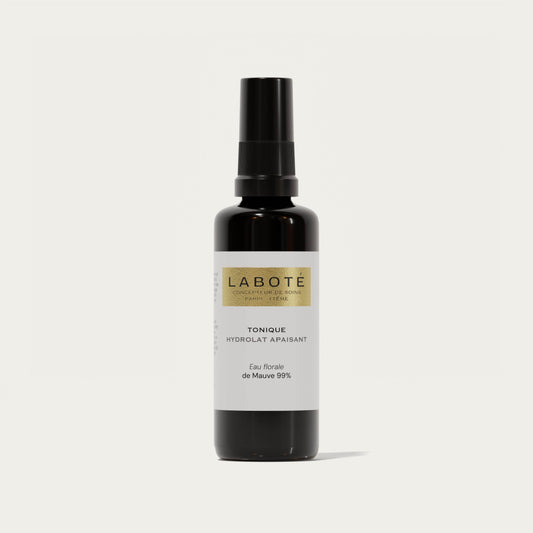
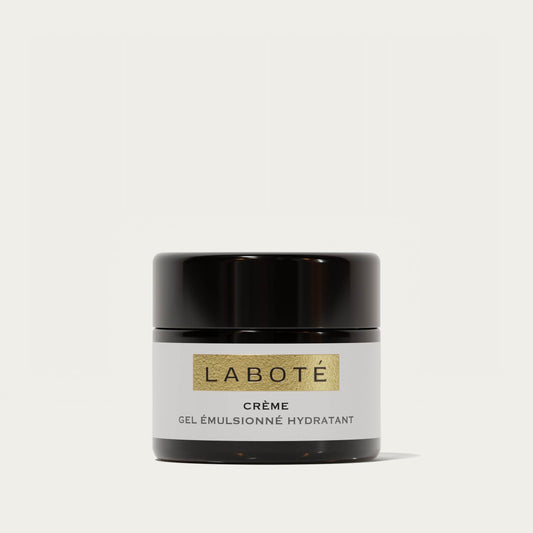
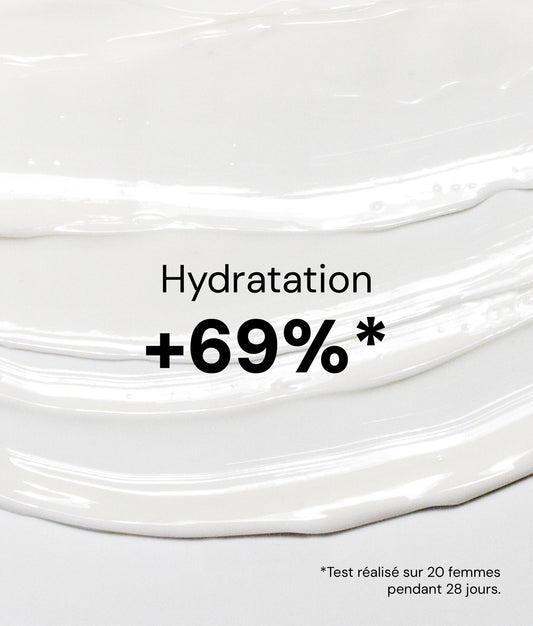
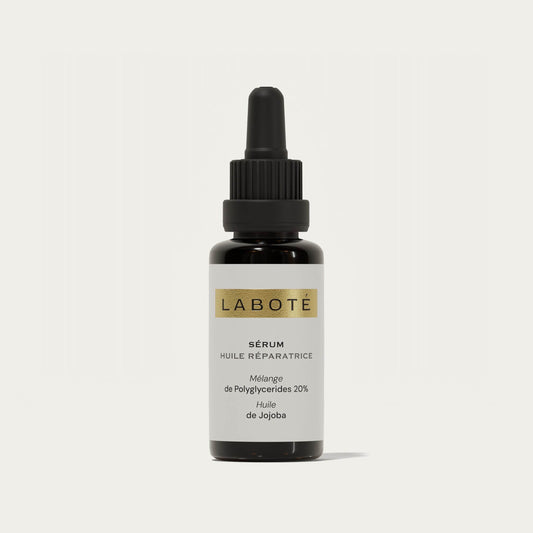
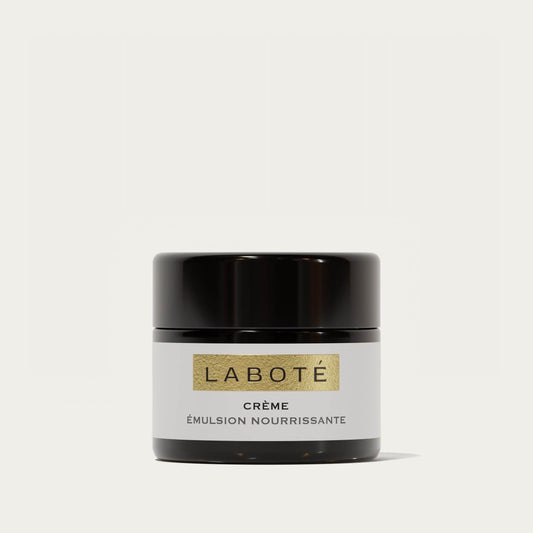
  • In the morning, instead of cleansing, I apply a soothing toner made with mallow. This helps the skin maintain its natural protective barrier. Next comes the moisturizing cream, formulated to hydrate and nourish atopic skin, thanks to aloe vera, camellia oil, and calendula extract.

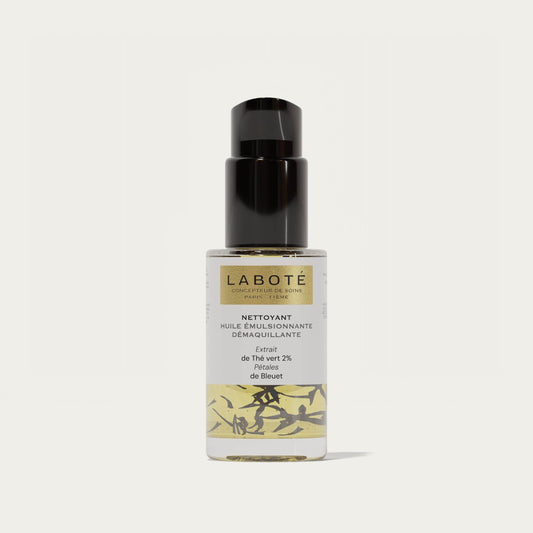
  • In the evening, gently cleanse with the Cleansing Oil . In addition to cleansing, the oil soothes and nourishes atopic skin, thanks to its formula based on cornflower petals and green tea extract. Then, moisturize your skin with a Night Cream containing nourishing and regenerating active ingredients, such as evening primrose oil and fucus extract.

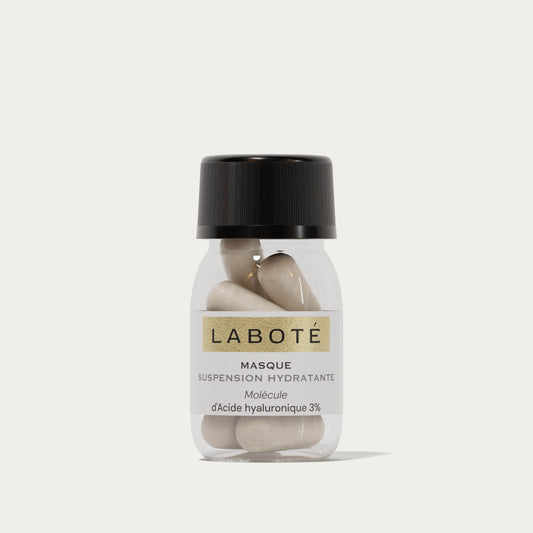
  • Once a week, a moisturizing clay-based mask should be applied to soothe and hydrate the skin.

    To meet the specific needs of atopic skin and respect its sensitivity, our naturopaths recommend creamy textures that will strengthen the skin's barrier function and fragrance-free compositions to prevent potential allergic reactions.