Skin dehydration: causes, symptoms, and advice

Having dehydrated facial skin is common and can affect all skin types, even oily skin, in all seasons. Dehydrated skin no longer retains water. To remedy this, recognize the symptoms (tightness, dull complexion) and adopt an appropriate moisturizing skincare routine.

THEMES
Concerns • Care

What is the purpose of skin hydration?

The health of our skin is closely linked to its hydration, as water is an essential element of its structure and cell communication. In adults, the skin contains on average 70% water, of which approximately 2/3 is present in the deeper layers (the dermis), and nearly 1/3 in the upper layer, called the stratum corneum of the epidermis, which is the visible part of our skin.

Skin dehydration

DETERIORATION OF THE TERACROZA CAUSES DEHYDRATION

Water plays a crucial role in hydrating our skin tissue by diffusing from the lower layer (the dermis) to the surface (the stratum corneum). This diffusion is regulated by a natural evaporation process of water contained in our body, called Insensible Water Loss (IWL). However, the stratum corneum is supposed to limit this process thanks to its hydrolipidic film.

THE HORNED LAYER

The stratum corneum is the outermost layer of the epidermis, the one that is visible and palpable on the surface. Above the stratum corneum lies the hydrolipidic film.

THE HYDROLIPIDIC FILM

The hydrolipidic film consists of an emulsion of water (water and sweat), and fat.
Its main functions are:

  • Forming an external protective barrier against bacteria thanks to its acidic pH.
  • To actively contribute to the suppleness, radiance, softness, and hydration of the skin.

What are the symptoms of dehydrated skin?

When facial skin becomes dehydrated, it loses its radiance and can feel tight, often temporarily:

  • after cleansing the skin, just before applying cream
  • when you smile or move your face

If it is not rehydrated, the skin can eventually develop small "streaks" on its surface.

Why does skin become dehydrated?

The skin becomes dehydrated when its hydrolipidic film, a major component of its barrier, is damaged. The acceleration of Insensible Water Loss, from the dermis to the surface of the skin, becomes so rapid that water reserves are depleted and dehydration sets in.

On the surface, there is no longer any "barrier", the stratum corneum becomes "permeable".

What factors can dehydrate your skin?

Whether internal or external, dehydration factors all have one thing in common: they impact the stratum corneum or the hydrolipidic film.

EXTERNAL FACTORS

  • Cold, wind, UV rays… because they accelerate insensible water loss.
  • Pollution, because it alters the composition of the hydrolipidic film.
  • Heating or air conditioning because they dry out the outside air and increase insensible water loss.
  • Tobacco or alcohol dehydrate the body
  • Cosmetic products that are too aggressive (cleansers with too high a pH, cleansers with detergents).

It is this last factor that we often (if not always) find in our consultations.

INTERNAL FACTORS

  • Skin aging because they impair cell renewal and the integrity of the stratum corneum.
  • Menopause because hormonal changes induce a decrease in lipids on the surface of the skin.

Dehydrated skin: what to do?

The first piece of advice we give our clients during consultations is to minimize external factors of dehydration whenever possible:

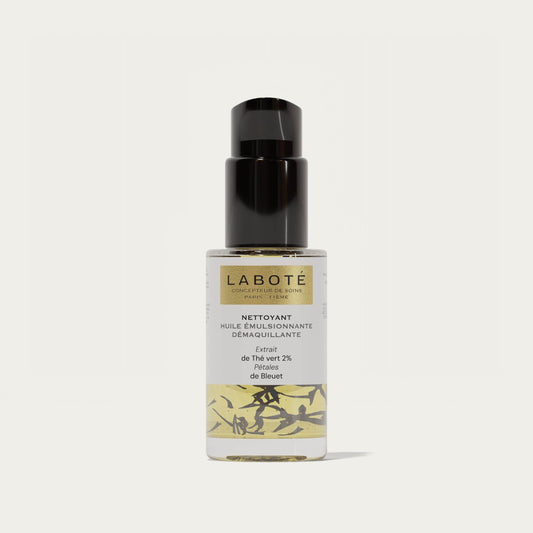
  • Protect your skin barrier with gentle, detergent-free cleansing
  • In the morning, do not cleanse your skin but use a toner.
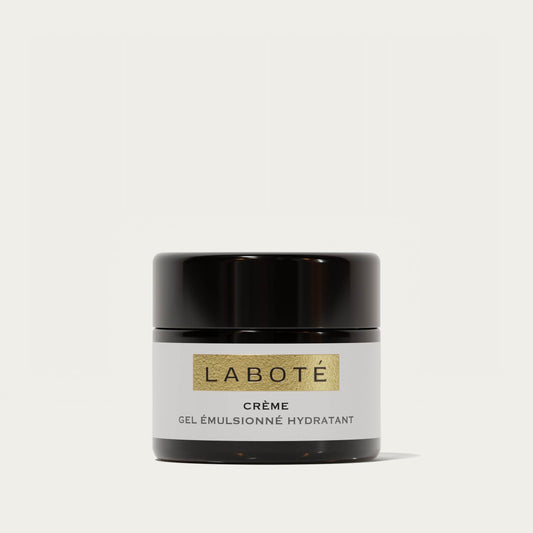
  • Apply a hydrating serum before your cream
  • Adapt your day cream to your needs
  • Peau sèche ou déshydratée : comment faire la différence ? - Labote
    Conseils/astucesPréoccupations

    Dry or dehydrated skin: how to tell the difference?

    Reconnaître la peau sèche et la peau déshydratée. Comprendre l'hydratation de la peau. Quelles différences entre une peau sèche et une peau déshydratée.

  • Peau mixte déshydratée : que faire ? - Labote
    Conseils/astucesPréoccupations

    Dehydrated combination skin: what to do?

    Comprendre la différence entre peau mixte et peau grasse. Hydratant peau grasse : les gestes à adopter. Les gestes à éviter pour les peaux grasses

1 of 2