Dry or dehydrated skin: how to tell the difference?

But actually, do you have dry or dehydrated skin? While your skin will feel uncomfortable in either case, it's not always easy to distinguish between a skin type and a temporary condition. However, a misdiagnosis can compromise the effectiveness of your entire beauty routine.

THEMES
Concerns • Tips/Tips

Dry skin: how to recognize it?

Dry skin is a skin type, just like oily skin. It is therefore irreversible and corresponds to a lipid deficiency. Its sebaceous glands do not secrete enough sebum, an oily substance essential for maintaining the skin's barrier function.

Are you unsure whether you have dry or dehydrated skin? Look for the typical clinical signs of dry skin:

  • You have been experiencing persistent discomfort since childhood (tightening, irritation, etc.).
  • In cold weather, you often experience desquamation (that is, tiny pieces of skin detach from the surface, as after a sunburn).
  • Your skin has fine cracks or fissures.
  • Your face feels rough to the touch.
  • Your complexion lacks radiance.

Dehydrated skin: how to recognize it?

Much more common, dehydrated skin is simply a skin tendency linked to a lack of water. Its symptoms are temporary and appear periodically, especially in winter. This condition can affect all skin types: oily, combination, normal, and also dry.

To differentiate between dry and dehydrated skin, pay attention to the most common signs of dehydration:

  • Your skin only feels tight under certain conditions (temperature, humidity).
  • It is sometimes more reactive to external aggressions.
  • She seems to lack flexibility.
  • She shows signs of dehydration and premature wrinkles.
  • Your complexion is flaky, but it almost never shows signs of eczema (pink or white dry patches).

How to care for dry skin?

To reduce dryness, nourishing the skin is essential. This means providing it with lipids that will form a protective barrier on its surface. Nourished skin is not only comfortable, but also better equipped to withstand water loss and external stressors.

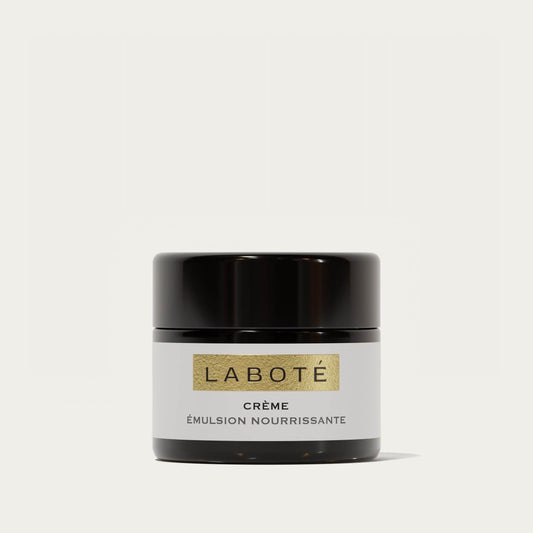
Opt for a Concentrated Hydrating Serum followed by a Nourishing Emulsion Cream rich in ceramides and biocompatible lipids. Combined with precious Nigella oil, it instantly restores comfort to dry and dehydrated skin.

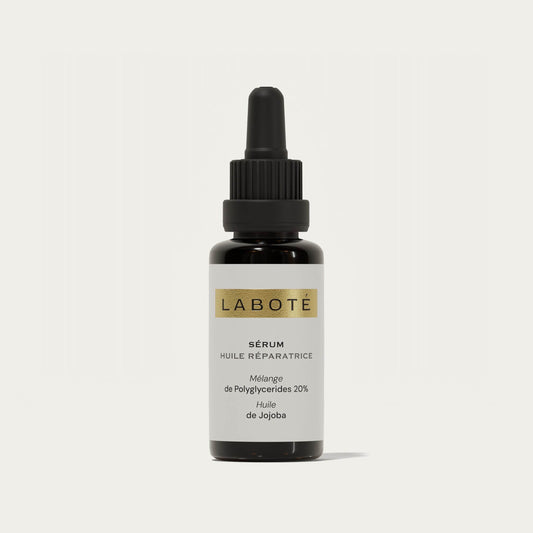
The gesture that makes the difference : seal in the hydration with an oil-based serum like the Radiance Oil Serum , perfect for the morning, and the Repairing Oil Serum for the evening.

How to care for dehydrated skin?

Unlike dry skin, dehydrated skin primarily needs to be replenished with moisture. Fortunately, there are a few very simple steps to soothe its daily woes and restore its balance.

Drink 1.5 liters of water per day. Hydration begins with your diet. Bringing water internally to the dermis is the best way to relieve feelings of tightness and eliminate toxins.

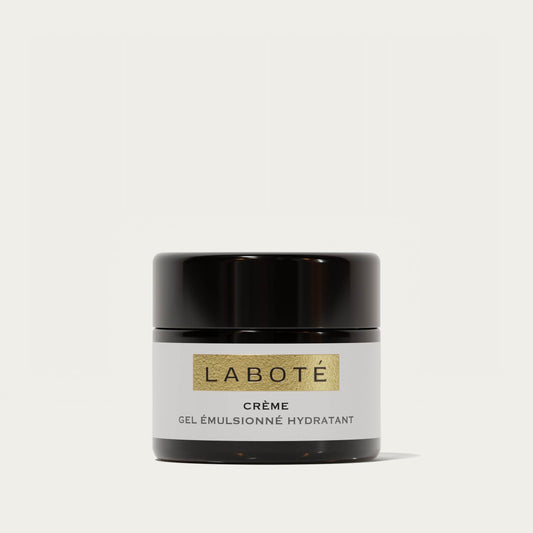
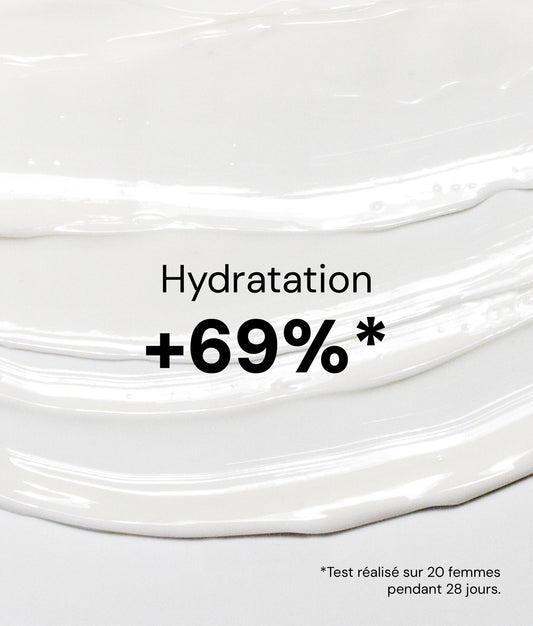
Morning and evening, use a Concentrated Hydrating Serum and a Hydrating Emulsion Gel Cream if you have oily or combination skin. The cream contains, among other things, Aloe vera, rich in polysaccharides, Camellia, and Centella Asiatica—active ingredients perfect for intensely hydrating thirsty skin and retaining moisture in the stratum corneum.

If you have balanced skin, opt for the Regenerating Emulsion Cream . It's enriched with Fucus, a highly hydrating and remineralizing brown seaweed, for well-hydrated and radiant skin. Its richer texture is perfectly suited to balanced skin.

Nutrition vs. hydration: the difference between dry and dehydrated skin

The distinction between dry and dehydrated skin lies in the hydrolipidic film. This is a thin layer that covers the skin's surface. It consists of an aqueous portion (a mixture of water and sweat) and a lipophilic portion (primarily sebum). The balance between these two phases allows the skin to remain well-hydrated, supple, and comfortable.

Hydration involves slowing down the evaporation of water that passes from the dermis to the upper layers of the epidermis, while simultaneously supplying water to the stratum corneum. Indeed, in the case of dehydrated skin, the barrier function of the hydrolipidic film is impaired by various factors and is no longer able to regulate water loss.

Nutrition, on the other hand, aims to compensate for the natural deficiencies of skin that doesn't produce enough oil. By providing it with lipids (oils, butters, etc.), you help it protect itself and rebalance its own sebum production.

Everything you need to know about skin hydration

DEHYDRATED FACIAL SKIN: CAUSES AND CONSEQUENCES

While dry skin and dehydrated skin are two different conditions, some "risk factors" are common:

  • Extreme temperatures.
  • Age and hormonal variations.
  • Genetic inheritance.
  • Taking medication.
  • Contact with aggressive products.

Dehydration is a problem that shouldn't be taken lightly. Dehydrated skin ages much faster than healthy skin. The longer you let dehydration persist, the greater your risk of developing serious skin problems such as acne and sensitivity.

DEHYDRATED SKIN: WHAT TO DO?

Since dehydration is cyclical, an occasional intensive hydration treatment will help you regain healthy skin. However, consistency and the choice of skincare products will be crucial to the success of your efforts. At the same time, be sure to maintain a healthy lifestyle.