Dehydrated skin: causes & consequences

Having dehydrated facial skin is a recurring problem that occurs when our skin tissue is weakened and no longer able to retain its moisture. To prevent this, it's important to recognize the symptoms (tightness, dull complexion, etc.) and adopt the right skincare routine. Our experts explain everything.

THEMES
Concerns • Scientific • Care

Skin dehydration: the causes?

DETERIORATION OF THE TERACROZA CAUSES DEHYDRATION

Water hydrates all of our skin tissue as it travels from its lower layer (the dermis) to its upper layer (the stratum corneum). This natural evaporation of water from the body is known as Transepidermal Water Loss (TEWL). Normally, the stratum corneum slows down this process, thanks in particular to its hydrolipidic film.

THE HORNED LAYER

The stratum corneum is the outermost layer of the epidermis. It is notably covered by a hydrolipidic film.

THE HYDROLIPIDIC FILM

This film consists of an emulsion of water (water and sweat) and grease. Its main functions are:

  • Forming an external protective barrier against bacteria thanks to its acidic pH
  • Protecting our body against UV radiation thanks to the urocanic acid contained in sweat
  • To actively contribute to the skin's suppleness, radiance, softness, and hydration

Dehydrated skin: symptoms

Dehydrated facial skin lacks radiance and is especially uncomfortable. This is reflected in a feeling of tightness.

FACTORS DETERIORATING THE STAR OF THE CELLULUS

This film, located on the skin's surface, slows the evaporation of water contained in the layers of the epidermis. If this physiological barrier is compromised, the water present in the dermis no longer reaches the epidermis: the barrier fails to perform its function. The stratum corneum then becomes permeable, allowing water to escape, thus leading to an increase in transepidermal water loss. The skin tissue eventually becomes dehydrated.

As you've probably gathered, it's always important to think about strengthening the function of this natural barrier in order to always have a radiant and comfortable complexion.

EXTERNAL FACTORS

  • The cold, the wind, the UV rays…
  • Pollution
  • Heating or air conditioning
  • Tobacco or alcohol
  • Stress or fatigue
  • Drug treatments, for example, for acne or cholesterol.
  • Cosmetic products that are too harsh (cleansers with a pH that is too high)

INTERNAL FACTORS

  • Skin aging
  • Genes
  • Some diseases
  • Menopause

Attention !
Dehydrated skin (which lacks water) should not be confused with dry skin. Although some symptoms are common, these are two very different skin conditions. Unlike dryness, which is a permanent condition, dehydration is temporary and reversible with appropriate skincare.

Dehydrated skin: what to do?

While it's essential to protect and hydrate your face daily with appropriate skincare products, it's also necessary to develop certain habits to avoid the factors that worsen dry skin, as mentioned previously. Here are the good practices we recommend you adopt:

  • Minimize the external factors mentioned above. Remember the key: a healthy lifestyle.

  • On a daily basis, opt for gentle, non-detergent skincare products.

  • Cleanse and remove your makeup only once a day, in the evening. This will eliminate all traces of makeup and pollution, which can accelerate the dehydration process. Ideally, use a cleansing oil such as our Cleansing Oil to avoid irritating your skin.

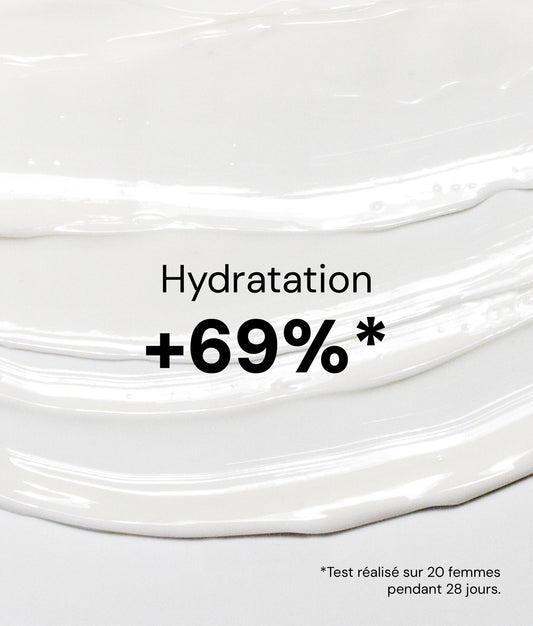
  • In the morning, boost your skin's hydration with a serum and day cream rich in fresh active ingredients.